

Last updated:
Spending winter in Korea is one of the best traveling decisions you can make. The temperature of Seoul, Korea, drops down, and most of it gets covered in snow. But at this time of the year, tourists visiting from other countries have the time of their lives in the winter wonderland of Korea. You can plan and pack for an adventurous trip to spend your winter in Korea after reading all about the the best things to do in Korea in winter, along with useful tips right below.
Winter Weather in Korea: How Cold Is It and Does It Snow?
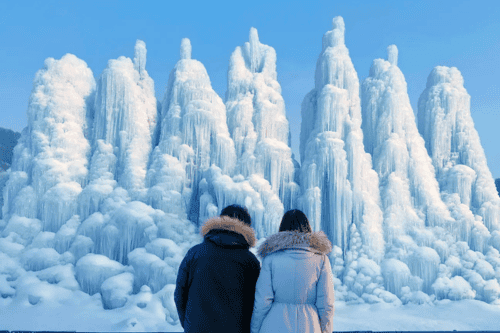
Winter in South Korea lasts from December to February, bringing cold, dry weather to much of the country. However, temperatures vary significantly depending on where you travel. Seoul and inland areas can get freezing cold, while Busan and Jeju Island generally have milder winters. Mountainous areas, especially in Gangwon-do, are colder and more likely to experience heavy snowfall.
Seoul: Seoul is cold throughout winter, with daytime temperatures often around 2–5°C and nighttime temperatures dropping below freezing. In January, the average low is around -5.5°C. During cold waves, it can get considerably colder, especially when strong winds make it feel even more freezing.
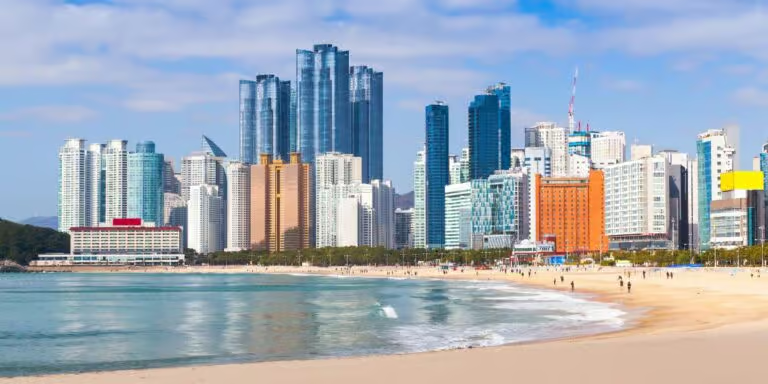
Busan: Busan has a milder winter than Seoul. December and February daytime temperatures often reach around 10°C, while nighttime temperatures generally stay above or around freezing. However, coastal winds can make outdoor sightseeing feel colder than the thermometer suggests.
Jeju Island: Jeju generally has the mildest winter among these popular destinations. Daytime temperatures are often around 9–11°C, and nights are usually above freezing in Jeju City. However, the island can be windy and wet, and snowy conditions are more common in higher elevations around Hallasan than along the coast.
Gangwon-do: Gangwon-do has some of Korea’s coldest winter destinations, particularly in mountainous areas. Around Daegwallyeong, January average lows can reach approximately -12°C, making it much colder than Seoul. This region is popular for skiing, snowboarding, and experiencing snowy mountain scenery.
Does It Snow in Korea?
Yes, it snows in Korea during winter, but snowfall varies significantly by region. Snow in Korea starts falling at different times of the season. Some high places receive their share of snowfall earlier, while the other lower regions get snowfall almost by the end of the year.
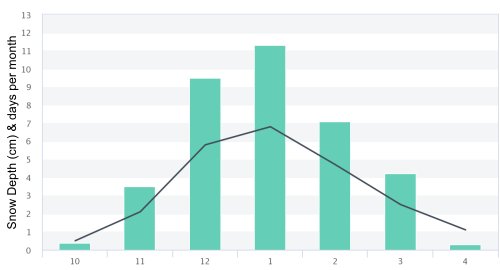
If we talk about snow in Seoul, it is between late November and late January. And Ski resorts open from early to late December. Check out the best ski resorts and opening dates in Korea. Also, compare ski tours from Seoul to discover the best ski experience at the right price.
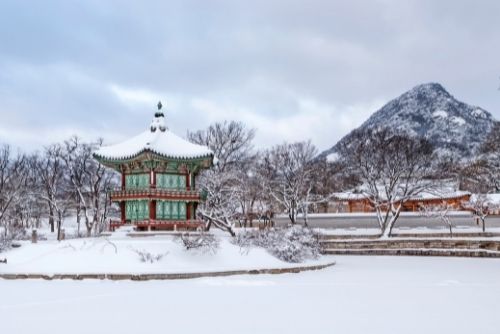
Seoul starts getting snow-capped with all the falling snow. The beautiful city and its tall buildings look magnificent covered under the white snow. Moreover, Grand Joseon Dynasty Palaces and shrines get extra pretty to look at when the snow falls in the city like the photo above.
Top Things to do in Korea in winter
There are a lot of things that you can do while staying in Seoul during the winter season. When the Siberian winds blow during winter in Korea, it can get chilly and dry. Some winter years have been colder than the passing, but every year, the Koreans wait excitedly for it to come back again so that they can enjoy all the fun activities that you can only do in this season.
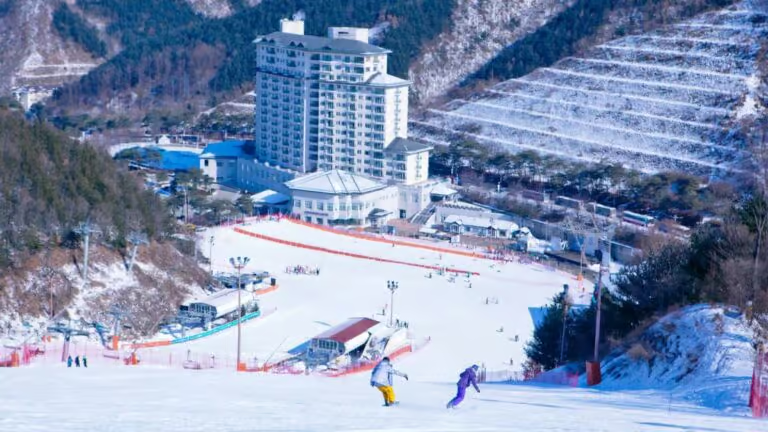
Visiting Ski Resorts

If you prefer outdoor activities, skiing and snowboarding would be your must-choice. It takes only two hours to get to Pyeongchang from Seoul, where the Winter Olympics is held. If you don’t have enough time, you can visit the nearby ski resorts in Seoul. Look at our ‘Best Ski Resorts in Korea’ post to choose the best one.
Relax at a Jjimjilbang (Korean Traditional Sauna)


Don’t worry about pronouncing the word right, but let us tell you what it is. Jjimjilbang is a hot bath or Jacuzzis open for the public to come in and enjoy a warm bath to keep yourself cozy in the cold winters of Korea.
You can get into the hot tubs separated according to gender and soak your bodies to scrub off all the dead skin cells and come out feeling fresher and radiant. It may sound odd to you, but hanging out at Jjimjilbang is one of the most favorite activities of Koreans, especially during the winter. For more information about the best Jjimjilbangs in Seoul, check this post.




Skating and Sledding in Seoul
Seoul Plaza Ice Skating Rink

Seoul Plaza, located in front of Seoul City Hall, transforms into a public outdoor ice skating rink every winter. It is one of the most popular seasonal activities in central Seoul, offering an affordable way to enjoy the winter atmosphere. The rink is surrounded by the city’s buildings and holiday decorations, making it a fun place to skate with friends, family, or a partner. Even if you’re a beginner, you can give it a try by renting skates and a helmet at the venue.
The 2026–2027 season is scheduled to run from December 18, 2026, to February 9, 2027, with an announced fee of KRW 1,000 per one-hour session, including skate and helmet rental.
- Open: 10 AM to 11 PM
- Price: 1,000 KRW ($1) per hour
- Location: Seoul Plaza, City Hall subway station (Exit 5)
Ttukseom Hangang Park Sledding Hill

You don’t need to travel far outside Seoul to enjoy snow activities. During winter, several Hangang parks host seasonal sledding hills where visitors can slide down snow-covered slopes and enjoy other winter games.
Ttukseom Hangang Park is one of the popular locations for winter sledding. The seasonal snow sledding hill is a fun activity for families with children, groups of friends, and anyone who wants to enjoy the snow without heading to a ski resort.
- Open: 9 AM to 5 PM (Break: 12:00 – 13:00)
- Price: 6,000 KRW ($4)
- Location: Ttukseom Hangang Park, Ttukseom station on subway line no. 7 (Exit 2)
Visit a Traditional Korean Tea House
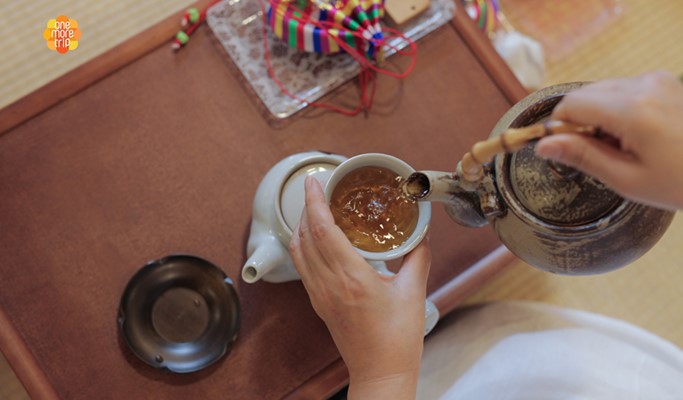
A traditional Korean tea house is a wonderful place to slow down and warm up during winter. Instead of rushing between attractions, you can enjoy a cup of hot tea, traditional sweets, and a quiet atmosphere in a Korean-style setting.
Many traditional tea houses serve teas made from ingredients such as ginger, citron, jujube, and omija. These drinks are often served warm and may be accompanied by rice cakes or other traditional snacks.
Insadong is one of the best neighborhoods in Seoul to explore traditional tea houses. Its streets are lined with cultural shops, galleries, restaurants, and cafes, making it easy to spend an afternoon wandering around. Head here for more places to visit in Insadong, Seoul.
Some tea houses worth exploring include:
- Yetchatjip – Add. 33-1 Insadong-gil, Jongno-gu, Seoul
- Shin Old Tea House – Add. 47-8 Insadong-gil, Jongno-gu, Seoul
- Dawon Traditional Tea Garden – Add. 11-4 Insadong-gil, Jongno-gu, Seoul


Explore Seoul’s Unique Themed Cafes
If tea houses are not your cup of tea, then themed cafes are surely where you can go and enjoy your hot beverage. When they say themed café, they mean ‘themed café’ as the café is particularly designed and decorated with a special theme to attract customers. These themed cafes are trendy among the younger generations. And you will most likely find one on every other street in Korea.
Tourists and foreigners are warmly welcomed in these themed cafes. There’s even a poop café themed with poop, and you get served in a mug shaped like a toilet. The most visited ones are:
- The Hello Kitty Café, Myeongdong – Add. 15 Myeongdong 6-gil, Jung District, Seoul
- Hell Café – Add. 238-43 Bogwang-dong, Yongsan-gu, Seoul
- Thanks Nature café – Add. 10 Hongik-ro, Mapo-gu, Seoul
- Cafe Yeonnamdong 223-14 – Add. 161-10 Seongmisan-ro, Mapo-gu, Seoul
Read also:
Try Korean Winter Street Food
Korean street food gets much tastier during the cold nights when you can walk the roads and try out fresh-made food sold by street vendors.
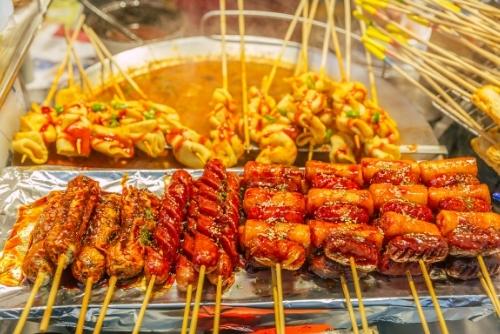
First, a popular Korean winter snack is Gyeran-ppang, egg bread. It’s bread with egg, but since it’s prepared steamy and fresh with yummy toppings.

Secondly, Bungeo-ppang which is a fish-shaped pastry stuffed with sweetened red bean paste, is one of the common winter street food in Korea.
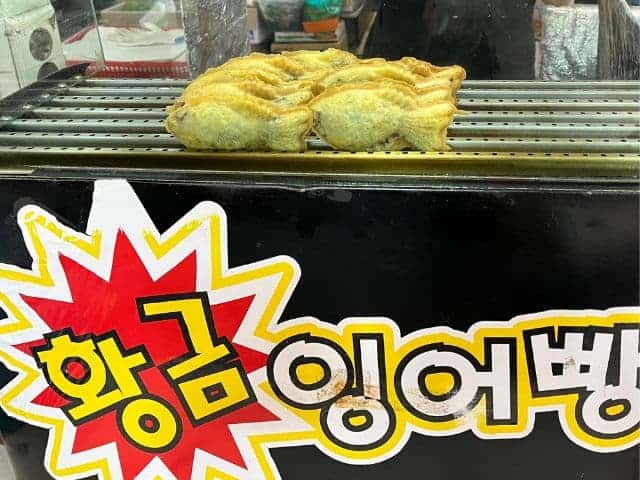
Thirdly, Hotteok is a variety of filled Korean pancakes. If you go to Gwangjang market which is the oldest traditional Korean market, or Namdaemun market, you could get one of the best Hotteok in Seoul.

Lastly, don’t miss Eomuk (Fishcake) which is often sold with Tteokbokki at street stalls. It warms you up from the inside.
Visit Gyeongbokgung Palace

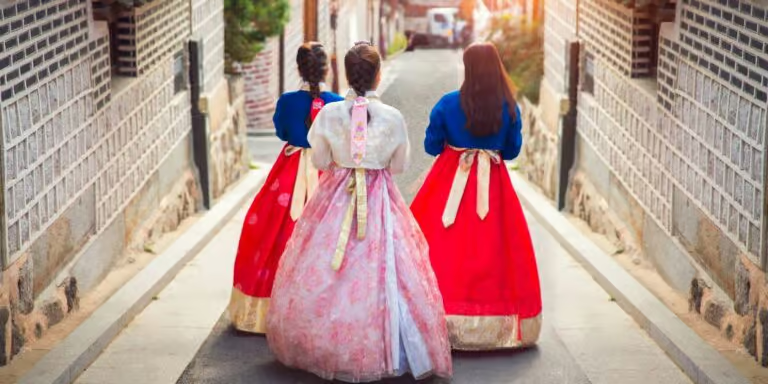
Gyeongbokgung Palace is so famous, yet it takes on a new and more special beauty in the winter. The entire palace is covered in snow, creating a serene and gorgeous setting. With such a lovely scenario, wearing a hanbok will seem like you’re in a historical drama. You will surely have a bunch of unique photos for your Instagram. More interesting, if you wear a hanbok, you will get free admission.
Winter has fewer visitors than other seasons, so you’ll have a more tranquil and meditative experience. You can explore the palace at your leisure and enjoy the sereneness of the winter atmosphere.
- Address: 161 Sajik-ro, Jongno-gu, Seoul
Hiking in Korea’s National Park
For nature enthusiasts, hiking in winter is always an activity not to be missed because it offers exceptional chances to take in the serene, snow-covered landscapes. The weather in Korea during the winter is rather harsh, so to have the safest hiking experience possible, you should thoroughly prepare your equipment and check trail conditions and weather forecasts before your trip.
Because national parks have well-maintained trails, most people choose to climb there. These are the top 5 national parks for winter hiking in Korea.
Bukhansan National Park

Bukhansan National Park is an ideal spot to take in the winter scenery of Seoul. This national park covers about 80,000 square kilometers, with the main scenery consisting of forests, granite mountains, and temples. In the winter, the white color of frozen rivers and snow-capped mountains covers Bukhansan National Park, creating an extremely spectacular and magnificent landscape.
- Address: 262 Bogungmun-ro, Seongbuk-gu, Seoul





Hallasan National Park

Located on Jeju island, Hallasan is the highest mountain in Korea, famous for its vertical ecosystem of plants. Also known as Yeongjusan Mountain, meaning “mountain high enough to pull the galaxy,” Hallasan Mountain is sure to give you the most stunning view of Jeju island. Due to its height, Hallasan receives a lot of snow each year, so be prepared for the cold if you want to conquer the mountain.
Deogyusan National Park

Situated in the foothills of Deogyusan Mountain, Korea’s fourth-highest peak, the park boasts a top elevation of 1,614 meters. The mountain has a 36-kilometer valley full of picturesque locations, waterfalls, and ponds.
Moreover, you can find several important cultural landmarks here, including the Hanging Painting of Anguksa Temple (Treasure No. 1267) and Jeoksangsanseong Fortress (Historic Site No. 146). The mountain is also linked to the Muju Deogyusan ski resort, which provides an easy way down via cable car and a shortcut to the top. So if you wish to see the views without climbing, or after a long way up to the peak, you want something easier for the way down, the cable cars are a good choice.
- Address: Anseong-myeon, Muju-gun


Seoraksan National Park

Seoraksan National Park is located in Gangwon-do province, near Sokcho. This is one of the highest and most beautiful mountain national parks in Korea. The park stands out with winding roads around colorful forests, with the peak of Daecheongbong Mountain over 1,700 meters high, an ideal place for climbing.
From the top of the mountain, you can admire the Cheonbuldong valley below. The park has numerous waterfalls, including Biryeong and Yukdam, and unique buildings like the bronze Buddha statue and Sinheungsa Temple. You can also take a cable car to a lower summit, which offers coast views and a Korean temple.
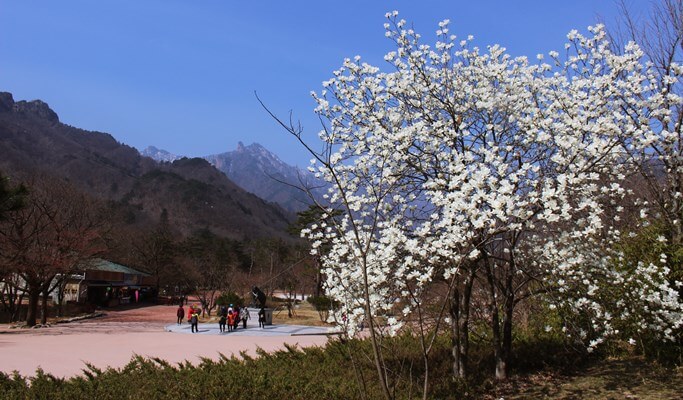


Sobaeksan National Park

Sobaeksan National Park, often referred to as the “backbone of Korea,” is indeed one of the most picturesque and significant national parks in South Korea. It’s known for its stunning natural beauty, diverse wildlife, and fantastic winter hiking opportunities.
Winter in Sobaeksan National Park is a truly magical experience. As you ascend the main peaks, you’ll be treated to long, unobstructed views over cloud-covered mountain peaks, creating a picturesque and serene atmosphere. The snowy landscapes and crystal-clear winter skies add to the park’s allure, making it a favorite destination for those seeking the most beautiful snow-covered vistas in South Korea.

Other things to do in winter outside of Seoul
Enjoy the first snow at Nami Island

Known for the classic film Winter Sonata, Nami Island is a wintertime tourism hotspot. Nami Island is located amid the Han River, which flows through Chuchoen City in the Gangwon region of Korea.
During the winter, Nami Island is coated in beautiful snow. You can take tons of photos that are so lovely and “unreal” within this fairyland-like landscape. The most well-known poster for the film “Winter Sonata” features the main character couple walking down Metasequoia Road in winter on Nami Island. So, recreating the poster would be a great thing to do if you are a fan of that iconic movie.
Admire camellia on Jeju island

Although winter may not be the ideal season for looking for flowers, in Korea, it is camellia season. Camellias are admired for their vibrant, striking red hue that withstands the winter months. The southern coast and Jeju Island are the ideal places to see camellias in bloom. On Jeju Island, Camellia Hill and Jeju Camellia Arboretum are two of the most well-known spots to see and take great pics with camellias. Although camellias typically bloom from November to March, each location has a different peak season, so it’s best to check before you go.
- Camellia Hill address: 166 Byeongak-ro, Andeok-myeon, Seogwipo-si, Jeju-do
- Jeju Camellia Arboretum address: Jeju-do, Seogwipo-si, Namwon-eup, Wimi-ri, 929 제주특별자치도
Visit Wondaeri Birch Forest

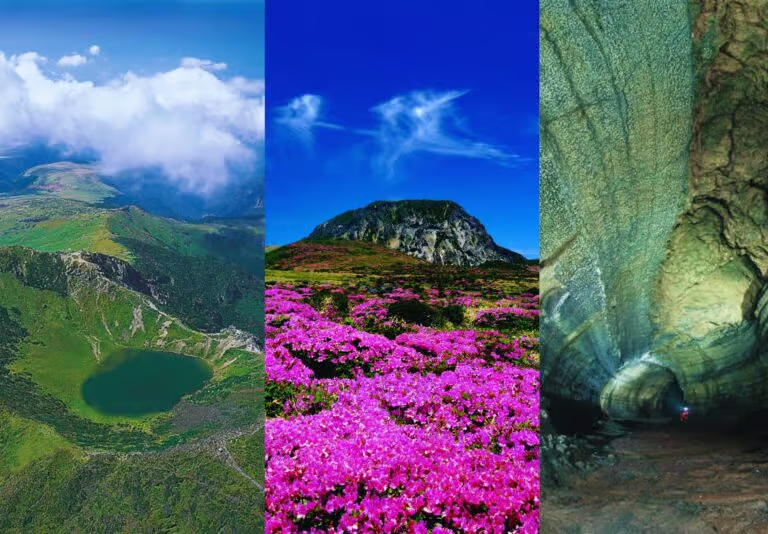
If you want a fantastic winter getaway, consider visiting Wondaeri Birch Forest in Gangwon Province. A quick day trip from Seoul, this place is nothing short of a winter wonderland with approximately 700,000 silver birch trees. If you enjoy peaceful strolls in the snow, you’ll love wandering through these silvery trees. Plus, you’ll find numerous stunning spots for capturing the beauty of the Korean winter on camera.
Take part in Pyeongchang Trout Festival

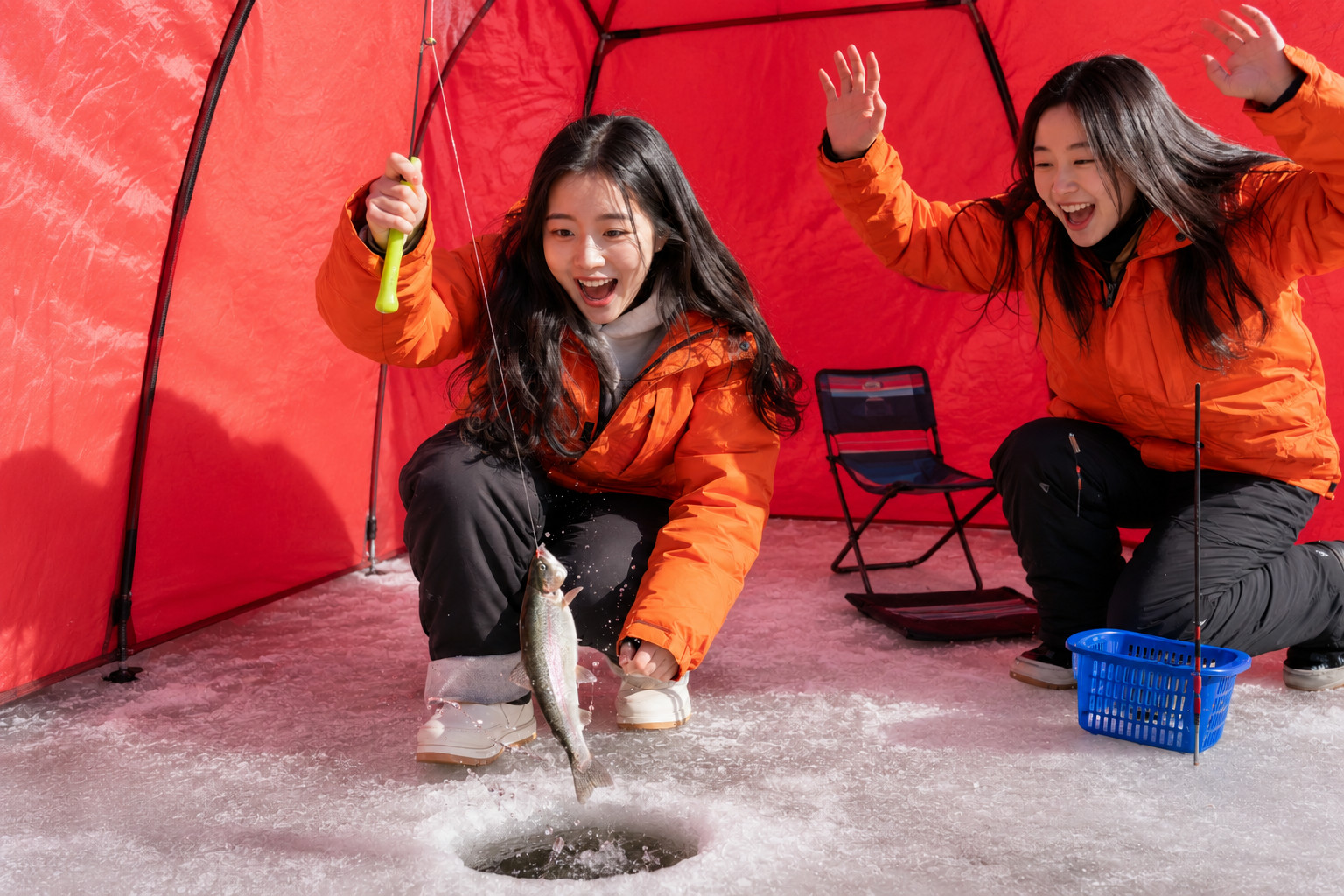
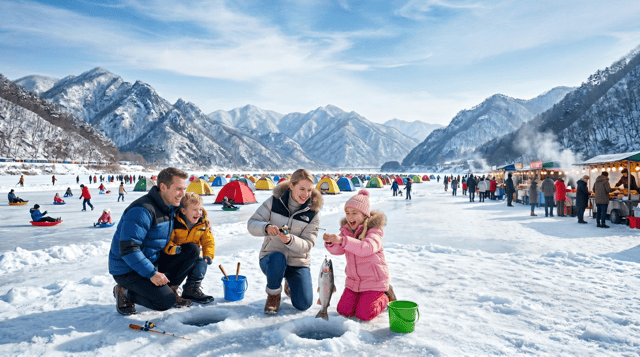
The Pyeongchang Trout Festival, perched at 700 meters above sea level during the winter season, is a beloved event in Pyeongchang, South Korea. This festival offers various programs and activities, ensuring a memorable and fun-filled winter experience. You can test their angling skills through ice and lure fishing for trout, enjoying the thrill of catching fish in the icy waters.
A unique festival highlight is the opportunity to savor your catch almost immediately. Any trout you reel in can be expertly prepared into delectable dishes at nearby restaurants, giving you a taste of fresh and locally sourced cuisine.
Additionally, the festival hosts a wide range of snow and ice activities, from sledding to ice skating, providing endless entertainment for all ages. Cultural enthusiasts can immerse themselves in folk programs that showcase the rich heritage of South Korea.
- Address: 3562 Gyeonggang-ro, Pyeongchang-gun, Gangwon-do
- Period: 12/22/2023 ~ 01/28/2024
- Website: www.festival700.or.kr
Looking for a bigger ice fishing festival? The Hwacheon Sancheoneo Ice Festival runs from January 9 to 31, 2027. See our Hwacheon Sancheoneo Ice Festival 2027 guide.
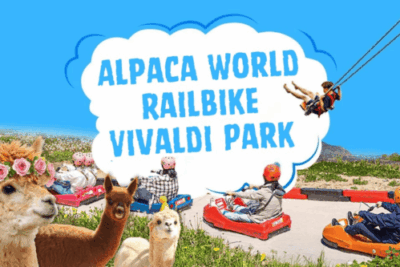
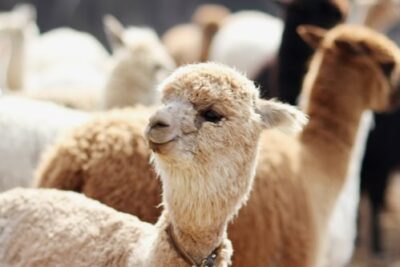
Take a selfie with Alpaca at Alpaca World

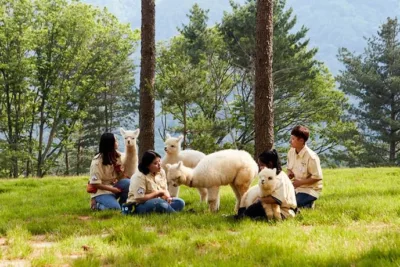
Alpaca World, nestled in a sprawling 363,636-square-meter forest in Gangwon-do, is a remarkable experiential zoo and a fantastic addition to the region. Here, you can interact with and feed these charming alpacas. It’s great to rub their warm and fluffy fur on chilly winter days.
Moreover, they provide a range of hands-on programs and convenient amenities for a diverse array of visitors, making it a perfect destination for families and couples. Alpaca World truly offers a delightful and educational experience for all ages, where the curious and nature enthusiasts alike can connect with these adorable animals in a beautiful and natural setting.
Visit Gamcheon Culture Village

Busan’s Gamcheon Culture Village, situated on Korea’s scenic south coast, is a one-of-a-kind destination that promises a whimsical and artistic experience. This vibrant village is adorned with colorful murals, painted buildings, playful statues, and numerous captivating photo opportunities. As you wind through the hillside streets, you’ll be greeted by a tapestry of artistic expressions. If you’re a fan of BTS, the mural of Jungkook and Jimin is not to be missed.
For an even more enchanting experience, plan your visit in December to witness the Gamcheon House Lantern Exhibition. During this time, the village comes alive with the warm glow of lanterns, creating a mesmerizing and immersive atmosphere that adds wonder to your exploration.
- Address: 203 Gamnae 2-ro, Saha-gu, Busan
Explore Seoul’s Christmas Decorations and Winter Lights
Another one of the best things that you can do in winter is to experience Christmas in Korea with your family and friends. The atmosphere around the Christmas time of the year gets all magical and gentle. During the Christmas season, people are passing smiles and singing Christmas choruses in Korean. Although there are a lot of temples in Korea that preach Buddhism to their people, Catholicism is still practiced in many areas of Seoul.
Here are the best places to go in Korea to experience Christmas:
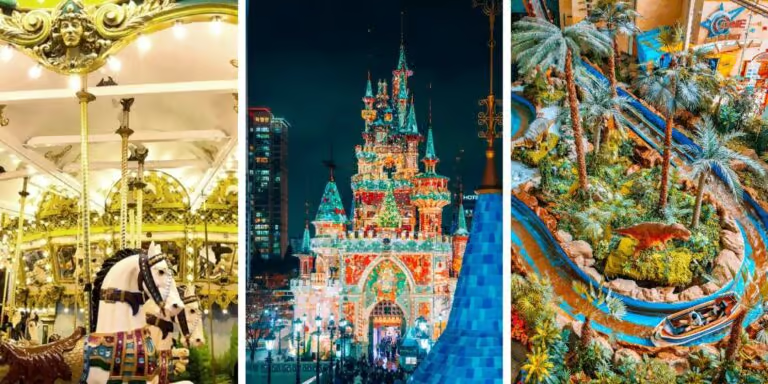
Lotte World Adventure park
The winter wonderland festivities and decorations start in mid-November till the end of December. You can also go to the Lotte World ice rink in the indoor park and skate along to fun music.
Everland Amusement Park
The biggest amusement park in Korea, Everland, is the best place to see winter parades and experience winter festivities. The winter fun starts in mid-November and lasts until the end of December. The winter parade and Christmas decorations will be worth seeing. It’ll bring the kid in you back out again 🙂
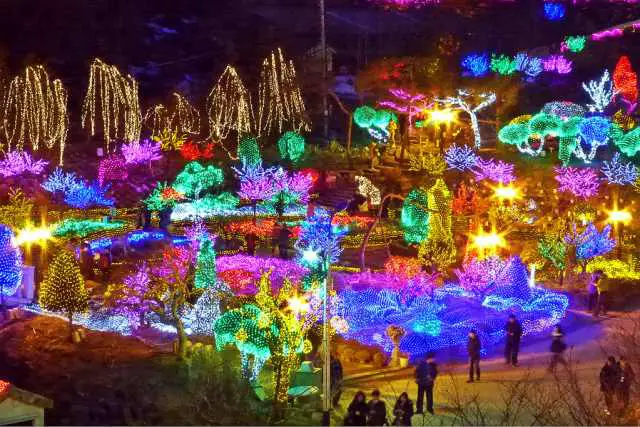
Garden of Morning Calm
Garden of Morning Calm has beautiful light decorations and Christmas lights starting at the beginning of December. The nighttime is the best in Winter Wonderland, Garden of Morning Calm, and you can visit a nearby small French village, Petite France, too.
Myeongdong street- Shinsegae and Lotte Department stores
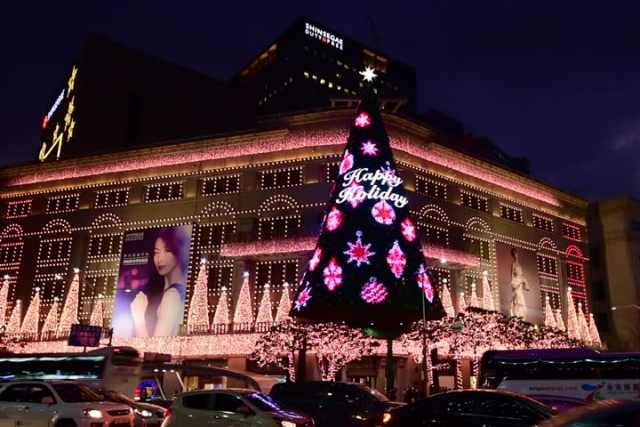
The decorations in these stores in Myeongdong are worth taking pictures of. Every year, this street is decorated with beautiful holiday ornaments in Korea’s busiest shopping district. You will feel like you’re in New York here.
See the Seoul Lantern Festival

The Seoul Lantern Festival is a seasonal winter event featuring illuminated installations and lantern displays in central Seoul.
The festival is a popular evening activity for visitors who want to explore the city’s winter atmosphere while walking along scenic urban areas. The installations and festival route may vary annually.
The 2026–2027 Seoul Lantern Festival is scheduled to run from December 11, 2026, to January 31, 2027, along Cheonggyecheon Stream, according to the current seasonal festival information.
What to Pack for Winter in Korea
Korea’s winter can be very cold, especially in Seoul and northern or mountainous areas. Pack layers and prepare for icy sidewalks, cold winds, and dry indoor heating.
- Thermal underwear: Wear a thermal top and bottom as your base layer, especially if you’ll be sightseeing outdoors for hours.
- Winter coat: Bring a padded jacket or a long down coat. A windproof coat is particularly useful on cold, windy days.
- Sweaters and fleece: Layer a sweater, fleece, or hoodie underneath your coat to stay warm without relying on one thick layer.
- Warm socks: Thick socks help keep your feet warm, especially when walking or standing outside for long periods.
- Comfortable winter shoes: Choose shoes with good grip and a warm lining. Snow or ice can make sidewalks slippery.
- Scarf, gloves, and a hat: These protect your neck, hands, and ears from cold winds. Touchscreen gloves are handy for taking photos.
- Moisturizer and lip balm: Winter air in Korea can be very dry, so keep your skin and lips moisturized.
- Hand warmers: Disposable hand warmers are easy to find at convenience stores in Korea, but bringing a few can be useful for outdoor activities.
- Umbrella: Snow isn’t the only winter weather to prepare for. Rain, sleet, and wet snow can happen, particularly in coastal areas and Jeju.
Winter Travel Tips to Korea
- Learn the basics of the Korean floor heating system – Only Korean on the control panel.
- Subway is better than the bus – You don’t need to wait for a bus outside.
- Buy heat packs at convenience stores or Daiso: Disposable hand warmers (핫팩, hot pack) are easy to find at CU, GS25, 7-Eleven, and Daiso. They’re especially helpful when you’re sightseeing outdoors or waiting for buses.
- Get thermal wear from Uniqlo: If you didn’t pack enough warm layers, Uniqlo’s HEATTECH range is a convenient option. You can also find thermal clothing at local clothing stores and some markets.
- Layer up instead of wearing just one thick coat: Temperatures outdoors can be freezing, but indoor spaces are usually heated. Wearing several layers makes it easier to stay comfortable throughout the day.
So, there you have it; here’s all you need to know to get you packing to spend your holidays in the winter of Korea. The country has a lot to offer for the tourists who visit the Winter Wonderland in Seoul. Why don’t you come here and experience it yourself this year?
You may also like:
- Seoul Itinerary
- Useful Apps for Korea Travel
- Best Korean Fried Chicken Restaurants
- 14 Best Ski Resort in Korea
- Best Face Masks to Buy in Korea
Compare Before You Book
Live prices and expert picks for the tours and tickets mentioned in this guide.
 Compare 111 options
DMZ Day Tours from Seoul
 Compare 38 options
Incheon Airport Transfers
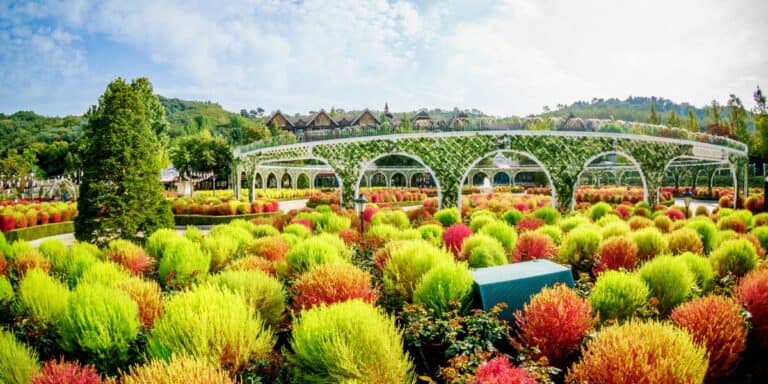 Compare 37 options
Everland Tickets
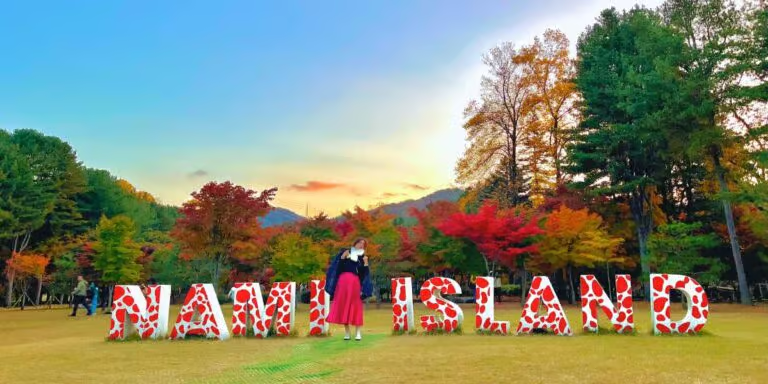 Compare 109 options
Nami Island Tickets & Tours
 Compare 27 options
Lotte World Tickets
 Compare 38 options
Busan Day Tours
 Compare 17 options
N Seoul Tower Tickets
 Compare 58 options