

Last updated:
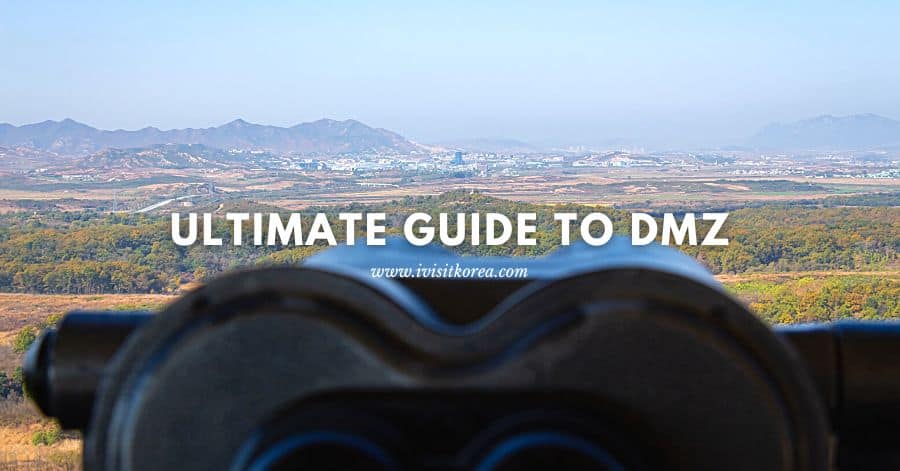
The Korean DMZ (Demilitarized Zone) is a 250 km-long, 4 km-wide buffer zone separating North and South Korea. Located about 50 km from Seoul, it is as close as you can get to seeing North Korea and is a great place to learn about Korean history. The DMZ can only be visited through an authorized guided tour ($45-$65), as civilians cannot enter independently. Since inclusions, duration, and prices vary quite a bit, we created a detailed DMZ tour comparison guide to help you choose the best option for your trip, so make sure to check it out!
Sometimes, the DMZ can close without warning. If the main entry points to the DMZ are closed due to political reasons, it’s good to have a backup plan. There are still other places where you can see views of North Korea. Want to know how to visit there? Keep reading!
- Korean DMZ at a Glance
- An Introduction to the Korean DMZ
- Most Visited Attractions In The Korean DMZ
- Practical Info, Etiquette, & Restrictions
- How to Get to the Korean DMZ?
- Korean DMZ Regions Explained: Paju, Yanggu & Goseong
- What Is The Difference Between DMZ and JSA?
- Discover Rare Wildlife In The DMZ: Endangered Animals & Untouched Ecosystems
- Surprising Facts Only Locals Know About DMZ
- FAQs about the DMZ Korea
- Q: Which DMZ tour is the best?
- Q: Is the DMZ in Korea a place where fighting takes place?
- Q: How far is it from Seoul to the DMZ?
- Q: Is it safe enough to go to the DMZ?
- Q: Can you go through the DMZ?
- Q: What's the Joint Security Area?
- Q: What is the Military Demarcation Line (MDL)?
- Q: Who owns the Korean DMZ?
- Q: Can kids visit the Korean Demilitarized Zone?
- Q: Can you cross into North Korea from the DMZ?
- Q: Why is the DMZ important today?
Korean DMZ at a Glance
| Established | 1953 |
| Length | 250 kilometers (160 miles) |
| Width | 4 kilometers (2.5 miles) |
| Separates | North and South Korea |
| Key Sites | Joint Security Area (JSA), Dora Observatory, Third Infiltration Tunnel |
| Distance From Seoul | 50 km |
| Visits Allowed | Yes, via controlled access |
| DMZ Tour Cost Range | $45-$65 |
| Traveler Checklist | Passport, formal clothing, comfortable walking shoes, and coins for the binoculars at the Dora Observatory |
| Restrictions | No weapons, no photos allowed of military personnel, no military clothing, no intoxication |
An Introduction to the Korean DMZ
What is the Korean DMZ (Demilitarized Zone)?
Source: onedaykorea.com
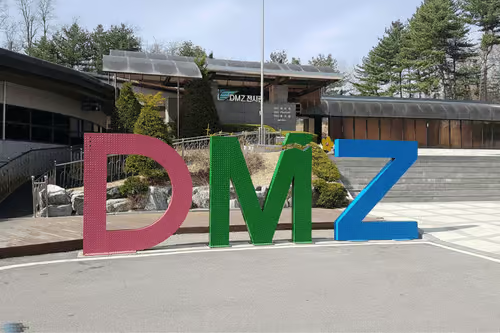
The Korean Demilitarized Zone (DMZ) is a buffer zone or a de facto border between North and South Korea. The DMZ was formed in 1953, marking the division between North and South Korea after the Soviet Union and the United States split control of the peninsula following World War II. It is a buffer zone without weapons, running along the border between the two countries. It has a length of around 250 kilometers (160 miles) and a width of roughly 4 kilometers (2.5 miles)
The Demilitarized Zone was established by the 1953 Korean Armistice Agreement, the peace deal that stopped the conflict between North Korea and South Korea. However, since the two sides never signed a peace treaty, they are still technically at war—even after more than sixty years. While no troops stand inside the Demilitarized Zone (DMZ) itself, both North and South Korea have heavily armed forces positioned just outside the 4-kilometer-wide strip, except in the Joint Security Area (JSA).
History of DMZ
In 1953, Korea was split in half because of the Korean War, which was still going on. Even though things are calmer between the two countries now, they are still at war. The division on the peninsula has caused families to be split up, people to die, people to live in poverty, and a terrible dictatorship in North Korea.
The DMZ separates North Korea, which is a communist country, from South Korea, which is a democratic country. It is on the 38th parallel, the original dividing line after World War II. The U.S. controlled one side, and the Soviet Union held the other. The DMZ was made when North and South Korea agreed in 1953 to move their troops back 1.2 miles.
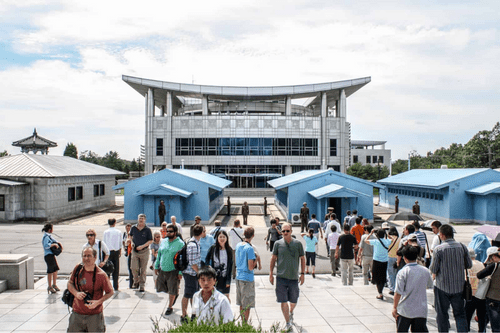
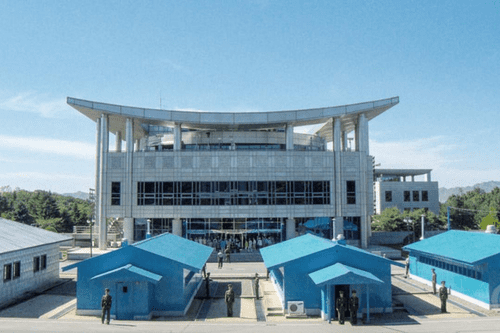
Note: The border between North Korea and South Korea is closed. This means that NO ONE can cross the border between the two Koreas. You can’t go directly from South Korea to DPR Korea or the other way around. You must stop in a third country, like China or Russia, to get between the two Koreas. The only place you can take a few steps into the other side is the T1-T3 conference rooms, also called “blue houses.” These tent-like one-story buildings sit right on the line between the two sides.
What to do at the Korean DMZ?
Source: bordersofadventure.com
The Bridge of Freedom, Dora Observatory, Dorasan Station, and the 3rd Infiltration Tunnel are the main places to see at the DMZ. The Joint Security Area, also called Panmunjom, is another place some tours go to.
The DMZ in South Korea has much to do with people who want to learn about history and politics. On a typical trip to the DMZ, you might see Imjingak Park, which was built as a safe place where North Korean refugees could go to feel better. You’ll pass by the Unification Pond, shaped like the Korean peninsula. This is a lovely place to take pictures. The Peace Bell is right next to the pond.
When you cross the Bridge of Freedom, built in 1953 and used to free 12,773 prisoners, you will be able to walk through history. The Third Infiltration Tunnel is another place you shouldn’t miss. One of the most intriguing parts of the tour is probably going inside the tunnel. It is 1,635 meters long, two meters high, and two meters wide. In 1978, South Korea was the first to find it. The tunnel was built so the North could spy on the enemy camp.
You can get a good view of the Korean Demilitarized Zone (DMZ) from the Dorasan (Dora) Observatory. You can also see straight into the mysterious North on a clear day. For people interested in history, the DMZ Exhibition Hall and DMZ Theater have a lot of exciting facts, documents, and photos from over the years.

Most Visited Attractions In The Korean DMZ
Dorasan Station
Source: trip.com
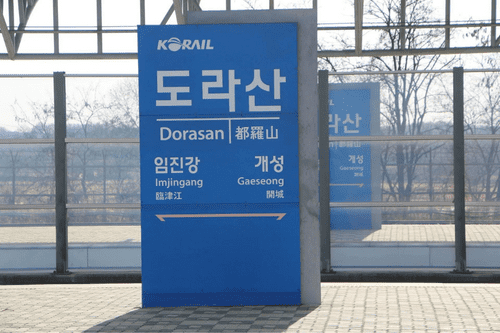
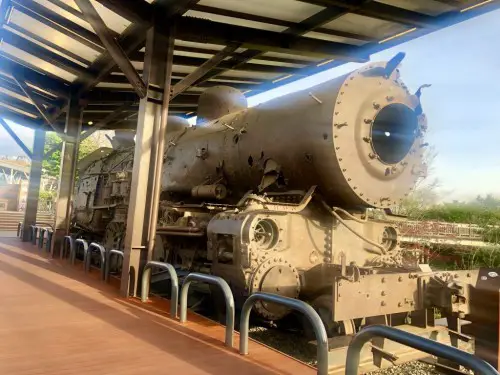
The Gyeongui Line, which goes from Seoul to Sinuiju, stops at Dorasan Station, one of the northernmost stops on the line. Kim Dae-Jung, the former president of South Korea, and George W. Bush, the former president of the U.S., went to the station. The station has become a sign of the work done to make Korea one country.
Dorasan Peace Park
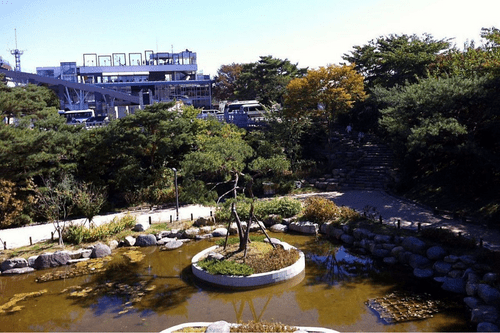
Source: tripadvisor.com
The pond in Dorasan Peace Park is in the shape of the Korean peninsula, and there is a boardwalk around it. You can learn about Dorasan Station’s history and the DMZ’s ecosystem in the park’s exhibition hall.
Dora Observatory
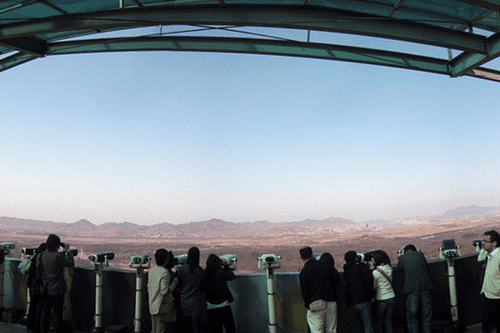
Source: commons.wikimedia.org
Dora Observatory is the most northerly observatory on the western side of the DMZ. The North Korean city of Gaeseong, the Statue of Kim Il-sung, and Songaksan Mountain can all be seen through binoculars. The area just past the observatory is a military outpost command, so you can’t take pictures here. Also, the observatory is inside the Civilian Control Line, so people who want to go there must join the Dorasan Security Tour.
The Third Tunnel
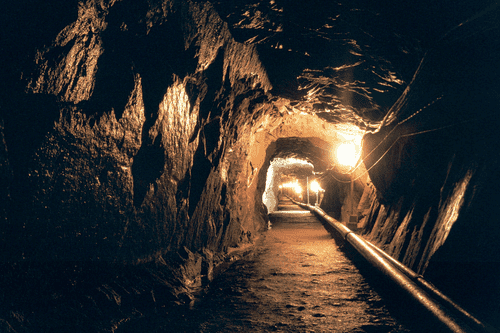
Source: nytimes.com
The third infiltration tunnel was found in 1978. It was dug by the Northern army to spy on the Southern army. The tunnel is 1,635 meters long, and 2 meters tall and wide. It is thought that more than 30,000 soldiers could have used the tunnel in just one hour. It is now a tourist attraction that has everything: a DMZ video hall, sculptures with meaning, gift shops, and more.
Practical Info, Etiquette, & Restrictions
The Korean DMZ is one of the most heavily militarized areas in the world, where visitors are required to observe a strict dress code, follow specific rules, and abide by several restrictions. This practical info will come in handy, especially if you are a first-time visitor:
- DMZ Opening Hours: Tue-Sun: 9 AM – 6 PM | Most military sites and visitor centers are closed on Mondays.
- Entrance Fee: The admission fee for DMZ sites ranges from 1,000 KRW to 12,000 KRW. Some sites, like Imjingak Park and Pyeonghwa Nuri Park, offer free entry. Guided tours typically cover all entrance fees.
- Best Time To Visit: Consider planning your DMZ trip in Spring (April-June) or Fall (September-November), which is also the most ideal time to visit South Korea.
- Dress Code: Formal clothing, no jeans or casual wear.
- Etiquette To Follow: No waving, pointing fingers, making noise, or taking photos without permission.
- Security Procedures: Every visitor must carry a valid passport or ID, undergo thorough security checks at every entry point, and store their personal belongings in lockers before entering the 3rd Infiltration Tunnel or JSA.
- Photo Restrictions: No taking photos of South Korean soldiers, military installations, North Korean border guards, and specific buildings. You can’t take a photo inside the 3rd Infiltration Tunnel and JSA.
How to Get to the Korean DMZ?
To get to the Demilitarized Zone, you should purchase a guided tour. You can take the shuttle from Seoul if you prefer to explore the area at your convenience. However, the shuttles are only a transportation option, not a full-day tour. Your next best option is the Korean DMZ Peace Train, a tourist train that runs from Seoul Station or Yongsan Station to Imjingang or Dorasan Station. KORAIL runs this train route, and foreigners can buy tickets online. A luxury alternative is taking a taxi or renting a car and driving to the DMZ tour entrance.
Remember, the DMZ is only accessible via authorized guided tours. Even then, many places are past the Civilian Control Line and are not open to tourists. Tours offer the best experience and often provide entry to restricted areas. You also need to bring a valid identification or a passport. See DMZ tours comparison here 👇

Korean DMZ Regions Explained: Paju, Yanggu & Goseong
The Korean DMZ is not a single tourist site. It is divided into distinct regional tour areas, with Paju-si being the most popular among visitors. The Yanggu region is the best alternative for those wanting to beat crowds. Then, there is the Goseong region, home to key sites, such as the Joint Security Area (JSA), the DMZ Museum, and Odusan Unification Observatory. Here is a brief breakdown of these regions to give you more clarity:
Paju DMZ Area: Best for First-time Visitors
- Most popular and typically included in standard DMZ tours
- The closest DMZ region to Seoul
- Includes highlights and key attractions
- More availability compared to DMZ tours of other regions
Yanggu DMZ Area: Less Crowded
- Less touristy, ideal for peaceful exploration
- Strong focus on military history
- Operates on a limited schedule, with some attractions being closed temporarily
Goseong DMZ Area: Politically Sensitive & Restricted Zone
- More tense than other DMZ regions, with some areas being off-limits for visitors
- Limited availability of tours
- Usually closed on Mondays and national holidays
Best Places To Visit in Paju-si, Gyeonggi-do
The most popular DMZ tours typically cover the key attractions in Paju-si. It is best for first-timers and visitors who want to combine historical sites with observation points.
Imjingak Resort
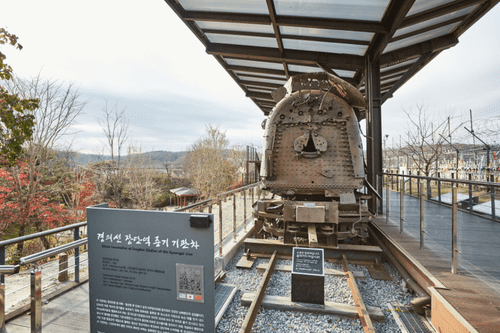
Source: english.visitkorea.or.kr
Imjingak Resort is a tour complex for unification and security that includes Imjingak, the North Korea Center, Unification Park, and several monuments and memorials. Pyeonghwa Nuri Park has many events, performances, and exhibitions to promote peace and reunification. Hill of Music, a large grassy slope, and Pinwheel Park, where more than 3,000 colorful pinwheels spin freely in the wind, are the park’s most popular places.
In the Imjingak Resort area, you can also visit Imjingak Peace Land, a small amusement park, and the National Memorial Hall of the Korean War Abductees, which teaches people about the people who were taken during the Korean War.
Odusan Unification Tower
Source: english.visitkorea.or.kr
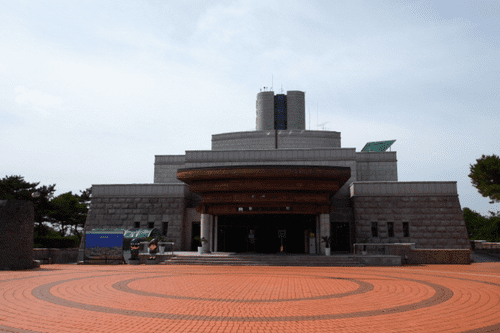
One of the most accessible places to get to from Seoul is the Odusan Unification Observatory. This observatory was on top of the hill with a view of where the Imjingang and Hangang rivers meet. Soldiers used it as a strategic place to watch over and protect both Gaeseong and Seoul. It is one of the places from which you can see North Korea. With the help of the binoculars on-site, you can look at the North Korean land on the other side of the river.
Major DMZ Tourist Areas in Yanggu-gun, Gangwon-do
A better, less crowded alternative for Paju-si is Yanggu-gun. It is also ideal for repeat visitors and those who want to understand more about the Korean War history.
Yanggu Unification Hall
Source: ygtour.kr
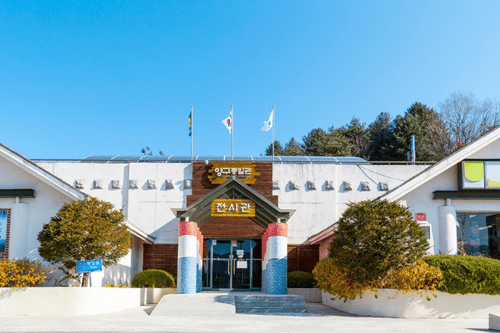
The Yanggu Unification Hall has pictures showing what life is like in North Korea. The hall was built to be a place where people could learn how to bring the country together. Visitors can also buy things from North Korea and the mementos of the unification.
Eulji Observatory
Source: flickr.com
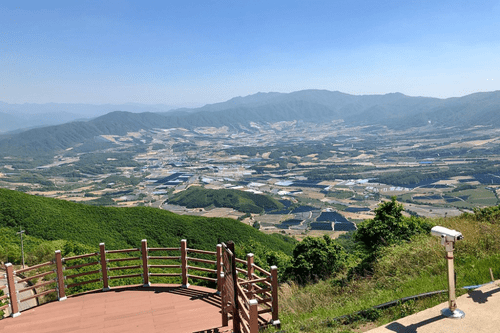
The Eulji Observatory is only one kilometer south of the Military Demarcation Line (MDL), making it one of the top places to see North Korea. From the observation stand, you can see five peaks of North Korea’s Geumgangsan Mountain, which is known as one of the most beautiful mountains on the Korean peninsula. The observatory is also considered one of the best places to see the misty Punch Bowl basin.
*Note: Temporarily closed
Yanggu War Memorial Hall
Source: ygtour.kr
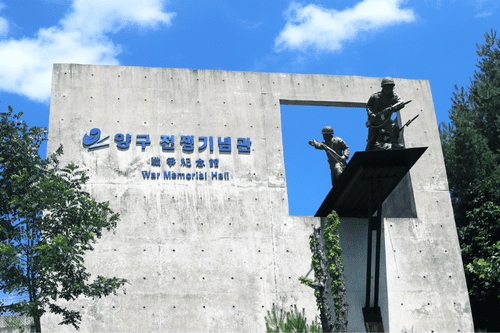
Some of the fiercest battles of the Korean War happened in Yanggu. The Yanggu War Memorial Museum was built to remember the struggle and the people killed. Over 500 weapons and other items from the war are shown in the exhibition hall. In another part of the museum, testimonies from people who lived through the war show what life was like back then.
The Fourth Tunnel
Source: notesonslowtravel.com
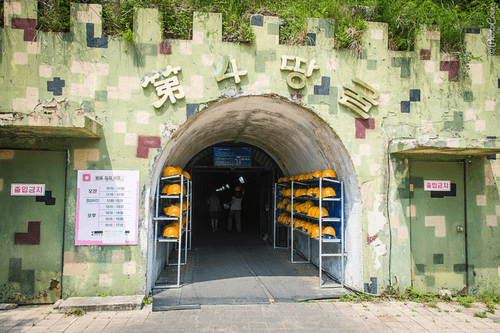
In 1990, the fourth tunnel dug by the North Korean Army to get into the South was found. Visitors can only go into the tunnel up to 100 meters from the DMZ, where there is a blockade to keep them out. At the tunnel’s entrance is a security education center with rusty canteens, helmets, and other items that North Korean soldiers used during the war.
Note: under construction
Places Not To Miss in Goseong-gun, Gangwon-do
Goseong-gun is a highly coveted DMZ region, featuring the highly militarized Joint Security Area (JSA). Aside from its tense atmosphere, the region features one of the rarest ecosystems in Korea.
Unification Observatory in Goseong
Source: korea.hss.de/en/
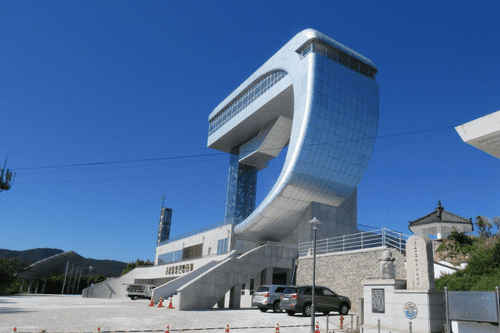
The northernmost place to look out over Korea is the Goseong Unification Observatory. On the second floor of the Unification Hall, there is an observation deck with binoculars that people can use to see North Korea. On days when the air is clear, tourists may also see North Koreans going about their daily lives. Also, the observatory’s 6.25 Experience Hall has exhibits that let people imagine what it was like to live during the Korean War. These include the War Experience Room, the Planned Exhibition Room, the Photo Exhibition Hall, and more.
DMZ Museum
Source: gangwon.to/en/
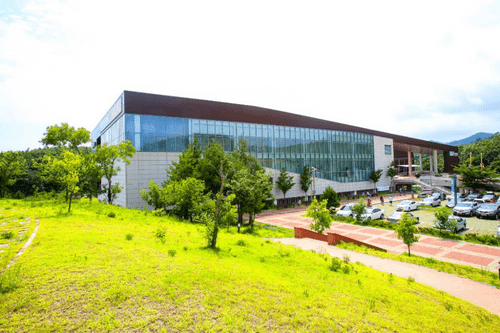
The DMZ Museum comprises four themed exhibition halls and several other buildings, such as a theater and a particular exhibition center. The museum offers insights into DMZ’s military history and its future ecological and cultural value. 3D documentaries about the Korean War and its aftermath can be seen at the theater. People who want to see the museum at the Goseong Unification Observatory must pay an entrance fee.
To get in, people must stop at the Unification and Security Park and sign up. Pay to get into the Unification Observatory after taking a short course on security. (You can’t just go into the DMZ Museum)
Hwajinpo
Source: english.visitkorea.or.kr
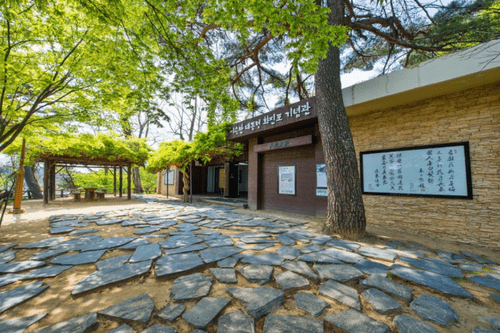
Hwajinpo is a lagoon, a rare type of ecosystem in Korea. Reeds live in this ocean-made lake, and thousands of migrating birds stop by to see them. Pine trees that are 100 years old form a forest around the lake. The Hwajinpo History & Security Museum is in this beautiful area. Here, people can learn more about Korea’s history and security education, which goes back over 50 years.
The entrance fee to the Hwajinpo History and Security Museum includes the Villa of Kim Il-sung, the Villa of Syngman Rhee, the Villa of Lee Ki-poong, and the Marine Eco Museum.
Panmunjeom Tour
Source: klook.com
The only place in the world where North and South Korean leaders meet is at Panmunjeom and the Joint Security Area around it. It has stood for over 50 years as a representation of the Korean War and the hard work needed to bring the two countries back together. Since Panmunjeom is the closest place to North Korea, many people from other countries want to go there. Tour agencies offer many different kinds of tours to interested people.
What Is The Difference Between DMZ and JSA?
The biggest difference between the Korean Demilitarized Zone (DMZ) and the Joint Security Area (JSA) is that the DMZ is the entire border region, while the JSA is only a small meeting point within it. While the DMZ separates North and South Korea, the JSA is where soldiers from both countries stand face to face. Another difference is that tourists/visitors can access the DMZ through guided tours, while the JSA has been closed since July 2023, with no dates for reopening released. Here are some more differences:
| Factor | DMZ | JSA |
| Length | 250 km long border zone between North & South Korea | Small region within the DMZ |
| Access | The DMZ is accessible via guided tours. | JSA is not open to visitors at the moment. |
| Military Presence | The military presence varies by region in the DMZ. | JSA is a heavily militarized site with troops from both countries on 24-hour duty. |
| Famous For | As a buffer zone that separates North and South Korea. | Being the only part of the DMZ where troops from North and South Korea stand face-to-face. |
Discover Rare Wildlife In The DMZ: Endangered Animals & Untouched Ecosystems
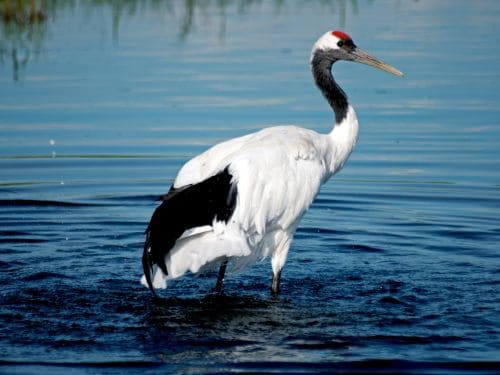
Beyond the tense political situation between North and South Korea, the DMZ has turned into an accidental ecological sanctuary. Thanks to the restricted human access, this buffer zone has been a nature reserve for 6,168 wildlife species, including the 38% of South Korea’s 267 endangered species. Siberian musk deer, Asiatic black bears, long-tailed goral, yellow-throated martens, wildcats, otters, endangered cranes, freshwater fish, and benthic macroinvertebrates are some of the recorded wildlife found here. As the area has had minimal human interference since 1953, the DMZ has built up a unique, untouched ecosystem, different from what you see in the cities. This has also contributed to the growing population of wildlife species in the region.
Surprising Facts Only Locals Know About DMZ
People live inside the DMZ:
Although the Korean DMZ is heavily introduced as a no-man’s land, there are two civilian settlements, one on each South and North Korean side of the DMZ. Taesung Freedom Village is a small village housing around 188 people of 46 households on the South Korean side of the DMZ. Here, residents their living by farming and don’t have to pay tax or serve in the military. On the other hand, Kijong-dong “Peace Village,” is basically a ghost town with only empty buildings. While North Korea claims the village houses 200 families, the lack of evidence says otherwise.
The navigation map doesn’t work inside the DMZ:
Once you enter the DMZ, any forms of navigation won’t work. The guide will escort visitors, with soldiers keeping a watch all the time. So, if you think about navigating your way to DMZ sites or worse, North Korea, there is little to no chance.
Bring a coin:
DMZ tours typically include a stop at the Dora Observatory, where you will need a coin to use a binocular. Don’t miss out on this chance to see North Korea clearly from the observatory. On a clearer day, you will even see the statue of Kim Il-sung.
DMZ is heavily crowded:
Despite its dangerous military reputation, the DMZ welcomes around 3,000 to 3,500 visitors per day, summing up to 1.2 million travelers per year. Surprisingly, 30,000 visitors annually visit the site from North Korea.
You can shop for souvenirs at the Korean DMZ:
The gift shop at American Camp Bonifas, which is located close to Panmunjeom, sells a variety of unique mementos, such as t-shirts and mugs, that will serve as a reminder of the time you spent getting close to North Korea or even of the time you walked into North Korea itself in the quiet village.
Tips For Booking the DMZ Tour
Advance booking is ideal
Our number one DMZ tour rule is to book your visit ahead of time. Ideally, as soon as you settle on your dates to visit Seoul. To begin with, this can be because DMZ tours book up quickly and spots are limited.
Another reason is that, for security reasons, you must book it at least 3 days in advance in order to get a security clearance. DMZ visits from Seoul run Tuesday through Friday, with the exception of special political occasions and amid military events. There’s no way of knowing ahead of time when these off cancellations will happen. Visits can even be canceled the day of. It’s imperative to keep in mind that the DMZ zone is still a functioning military zone, and military exercises trump the tour.
Plan which DMZ tour you want to explore
- A DMZ tour stops at the Dora Observatory, Dorasan Street, and visits a tunnel that was dug to transport spies into South Korea. All fascinating stuff. But it does not stop at the JSA, the Joint Security Area.
- The JSA Tour makes a stop at the Mt. Odu Unification Observatory. You can see a clear view of North Korea as it takes you into the blue conference room that reaches across the MDL, or the Military Demarcation Line, which straddles both North and South Korea.
Your passport should be with you at all times
You have to provide your passport at least two days before your scheduled DMZ Tour. As it is a military border, your passport will be checked, and you are expected to show it every time it is asked for by your guide.
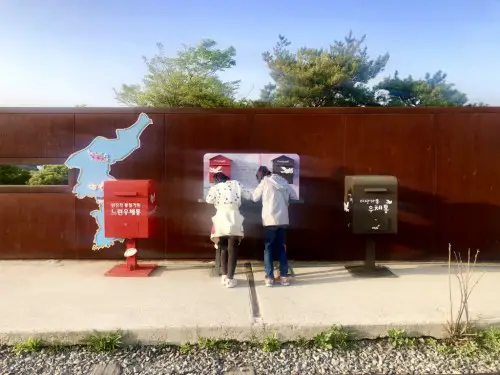
Pack light and dress conservatively
There is a strict dress code policy in which ripped jeans, commercial, and camouflage clothing are not allowed on the DMZ tour. Also, the North Koreans watching can take pictures and be pretty judgmental of the clothes people wear. Also, you have to leave your bags behind on the bus in many places due to security concerns, so don’t bring stuff that you might not be able to leave behind when requested to.
Waiver
On the JSA section of the tour, due to the volatile nature of the border, you will be asked to sign a waiver that states that no one is responsible for accidents, injury, or even death. It sounds scary, but the fact is that tons of tourists are visiting the JSA daily under military escorts.
In conclusion, the Korean DMZ tour is a worthwhile trip to learn about a global humanitarian crisis. There is no single centralized location that constitutes the Korean DMZ. Somehow, many visitors don’t seem to grasp that concept. You can visit more areas than you think. In addition, a wealth of activities can be enjoyed independently within a reasonable distance of the civilian control zone. So if you want to feel the history of the safest yet most volatile border in the world, then book your tickets to the Korean DMZ Tour as soon as possible.
FAQs about the DMZ Korea
Q: Which DMZ tour is the best?
A: The best way to decide between your choices is to know what makes each unique. A half-day DMZ tour goes to all the most critical places, like Imjingak Park, The Bridge of Freedom, The DMZ Theater & Exhibition Hall, The 3rd Infiltration Tunnel, Dora Observatory, and Dorasan Station. During a full-day DMZ tour, the Joint Security Area (JSA) is also visited in the afternoon.
It’s important to remember that there are more rules for getting into the JSA. Children must be at least 12 years old, there is a limitation to how many people can visit each day (set by the UN Command), and reservations must be made at least 72 hours prior.
So, if you want to visit with younger children, have a busy schedule, or need to book quickly, you should choose the half-day option. You should select the full-day option if you want to stay longer and go into the JSA in the afternoon.
Q: Is the DMZ in Korea a place where fighting takes place?
A: Even though South Korea’s DMZ is as close as you can get to a war zone, there is usually no fighting. In other words, you probably won’t see any shootings or other violent acts. The main goal of the Korean Demilitarized Zone is to promote peace and show that safety can be reached without actively using force. There are some very unique things about the zone.
Q: How far is it from Seoul to the DMZ?
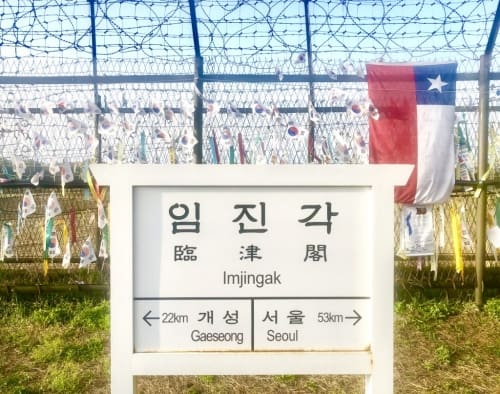
A: A sign at Imjingak says that it is 53 km to Seoul and only 22 km to Kaesong. The Demilitarized Zone (DMZ) in South Korea is about 50 kilometers from Seoul (38 kilometers from Pyongyang). The trip takes between 60 and 90 minutes, depending on where you start in the city and how busy the roads are that day. You must go through several security checkpoints that the military runs to get there. Your tour guide will ask for your passport, and you’ll have to show it to a soldier so he or she can check it.
Q: Is it safe enough to go to the DMZ?
A: Even though the DMZ in Korea is called “the world’s most dangerous border,” neither civilians nor tourists are in danger. Even though the DMZ is still a war zone, it has become a place where peace can last, so it is safe to go there. The only thing that might still seem dangerous is that many North, South, and U.S. troops protect the territory and can be seen patrolling the area. Nothing to worry about if you want to tour the Demilitarized Zone (DMZ). Guided tours are allowed and help the country’s tourism industry.
Q: Can you go through the DMZ?
A: In short, you cannot cross the Demilitarized Zone in Korea. This goes for both soldiers and tourists. Even though North and South Korea share this border, their immigration and travel policies differ. The North is also known for making it hard to travel, so if you want to go deeper into North Korea, you’ll need to get a visa and fill out more paperwork.
But you can cross the Military Demarcation Line, the border between the two countries. The line is inside the building that houses the United Nations Command Military Armistice Commission (UNCMAC). In this case, you will technically be in North Korean territory.
Q: What’s the Joint Security Area?
A: The Demilitarized Zone includes the Joint Security Area (JSA). This is one of Korea’s most exciting places to visit inside the DMZ. It is also called Panmunjom or the Truce Village. Here, soldiers from different sides face each other. The JSA’s job is to be a neutral place where the two countries can talk, with help from the UN Command Military Armistice Commission (UNCMAC).
A lot of rules apply to the JSA. Remember to make reservations 72 hours in advance, pay attention to the dress code, and ensure that your group’s youngest person is at least 12 years old.
Q: What is the Military Demarcation Line (MDL)?
A: The Military Demarcation Line is the provisional military boundary separating North and South Korea. Also called the Armistice Line, it runs 238 kilometers (148 miles) from the Imjin River estuary in the west to the east coast. The Korean Armistice Agreement established the MDL on July 27, 1953. It is in the center of the Korean Demilitarized Zone and is a part of the entire buffer zone.
Q: Who owns the Korean DMZ?
A: The DMZ area in Korea is neutral territory, meaning neither side owns it. Suppose you’re wondering who runs the DMZ. In that case, the MDL (Military Demarcation Line) shows that the United States helps patrol the area, along with troops from both Koreas. Both battalions have rules that tell them where they can and cannot go while patrolling. At each end of the DMZ, there are two kilometers with no soldiers. No one from either side can cross the MDL. If you do this, it will be seen as an act of aggression and could lead to a fight.
Q: Can kids visit the Korean Demilitarized Zone?
A: In general, yes. In most places where tourists can go in the DMZ, it is safe for children to be with a parent or guardian. But some sites that are more politically sensitive or dangerous and therefore not suitable for young children have age limits. So, it’s essential to check your tour’s details to see if there are any age limits or to contact your tour company ahead of time. Since the UN Command makes these rules, they cannot be changed.
Q: Can you cross into North Korea from the DMZ?
A: No, you can not enter North Korea from the DMZ; it is only a buffer zone offering the closest glimpse of the mysterious North Korea. DMZ is heavily militarized with soldiers from both North and South Korea patrolling 24 hours a day. The area is also protected by barbed wire and landmines, making it very challenging for anyone to trespass. North Korea has even issued shoot-on-sight orders for individuals entering buffer zones without permission.
Q: Why is the DMZ important today?
A: The DMZ’s importance lies in the fact that it is the only place from which you can see the closed-off North Korea. Since the country doesn’t welcome visitors, you can only glimpse it from afar. Another important fact about DMZ is that it is the last physical remnant of the Cold War division on the Korean Peninsula. While no peace treaty was signed, the DMZ stands as the de facto border, maintaining a state of ongoing tension and military standoff between the North and South.
Read also:
- Best DMZ Tours from Seoul (2026) – Compare 113 Options
- 14 Best Day Trips From Seoul- Updated
- Seoul Itinerary and Attractions
Compare Before You Book
Live prices and expert picks for the tours and tickets mentioned in this guide.
 Compare 111 options
DMZ Day Tours from Seoul
 Compare 38 options
Incheon Airport Transfers
 Compare 41 options
Everland Tickets
 Compare 109 options
Nami Island Tickets & Tours
 Compare 27 options
Lotte World Tickets
 Compare 38 options
Busan Day Tours
 Compare 17 options
N Seoul Tower Tickets
 Compare 58 options



Wow. Such detailed description and direction. This makes the visit very easy
Our hotel collecting our passports night prior the morning trip to DMZ. Is that the common?
As for a trip to the DMZ (Demilitarized Zone), it’s normal to have your passport checked as it’s an area with strict security procedures. Tour organizers often collect participant passport numbers and nationalities in advance to submit to the authorities, but they don’t usually physically hold onto your passport.