
Last updated:
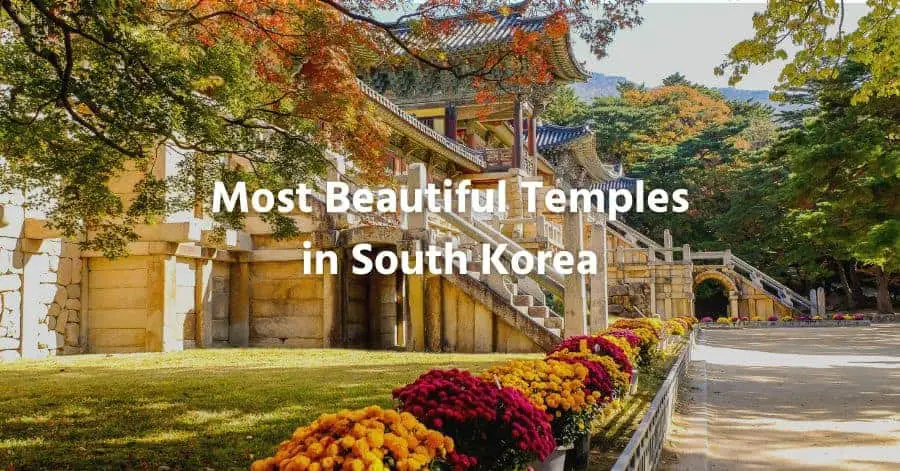
Temples in South Korea are among the country’s most beautiful cultural and historical landmarks. Surrounded by mountains and nature, these Buddhist temples in Korea offer visitors a peaceful place to explore Korean history, architecture, and spirituality. From famous UNESCO sites like Bulguksa Temple to hidden mountain temples, here are 15 of the most beautiful temples in South Korea you should visit.
Read also:
- 15 UNESCO World Heritage Sites in South Korea
- Temple Stay in Korea
- Korea Cherry Blossom Festivals 2023
- Ultimate Korea Travel Guide!
- Best 15 Tour Booking Websites in South Korea
Map of the Most Beautiful Temples in South Korea
These famous temples in South Korea are located across the country, from historic cities like Gyeongju to mountain regions in Gangwon and Jeolla provinces. The map below shows where you can find the most beautiful Buddhist temples in Korea.
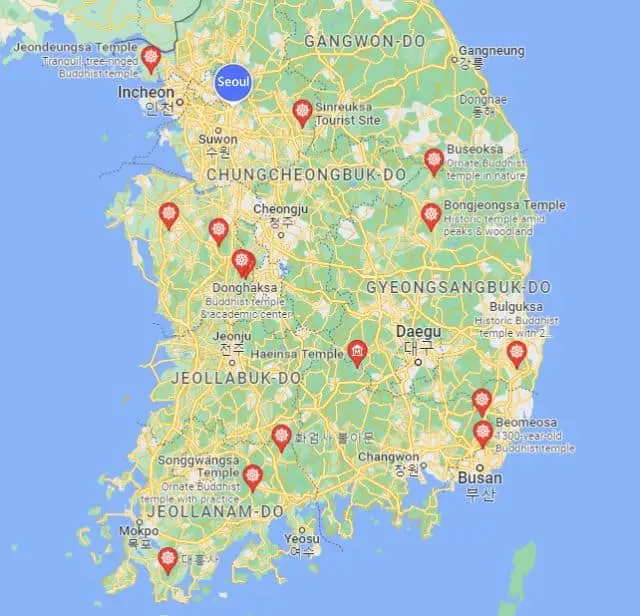
(Click to see it on you Google Maps | Naver Map)
Top 15 Most Beautiful Temples in South Korea
Bulguksa Temple, Gyeongju
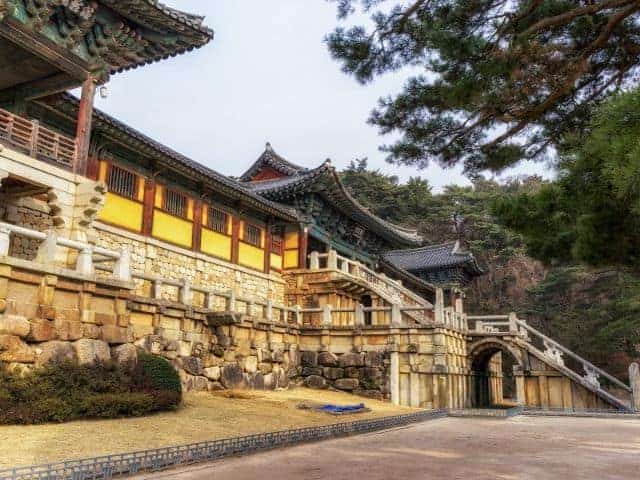
Bulguksa Temple is a UNESCO World Heritage Site located in the city of Gyeongju, South Korea. It is one of the country’s most famous and significant Buddhist temples and is popular for its stunning architecture, historic artifacts, and beautiful natural surroundings. The temple has multiple buildings and structures, each with its own unique design and purpose. The main hall, Daeungjeon, is a two-story structure that houses a large statue of Buddha. The hall has intricate carvings and paintings that depict Buddhist teachings and stories. Another notable artifact is the Seokgatap, a stone pagoda that stands 10 meters tall.
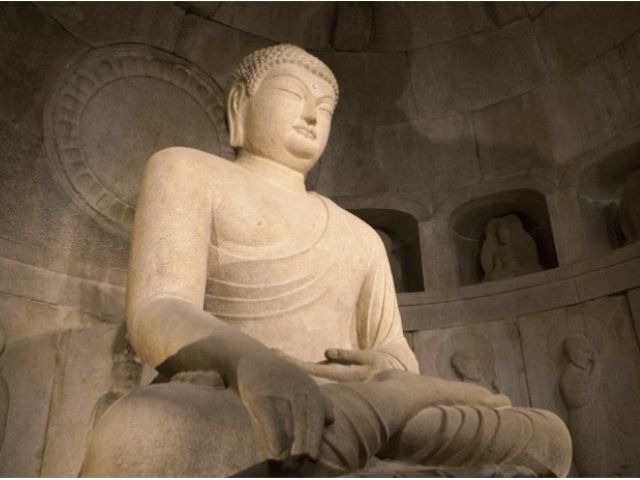
Overall, the temple’s stunning architecture, artwork, and natural surroundings make it a must-see destination for anyone interested in Korean culture and history.
- Address: 385 Bulguk-ro, Gyeongju-si, Gyeongsangbuk-do
- Homepage and Temple Stay




Tongdosa Temple, Yangsan
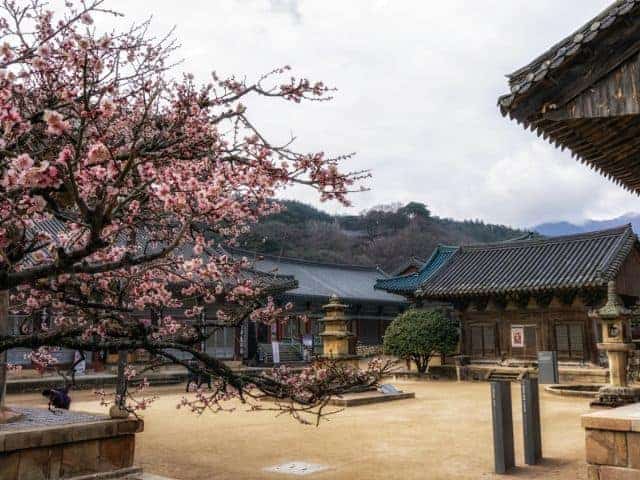
Tongdosa Temple in Yangsan is one of the most important Buddhist temples in South Korea, founded in 646 during the Silla Dynasty. It’s often called the “temple without a Buddha” because the main outdoor worship areas don’t have Buddha statues. Instead, the temple enshrines sacred relics of the Buddha, making it a significant spiritual site and one of the most unique temples in Korea.
Surrounded by mountains, the temple complex is large and peaceful, with traditional halls, quiet gardens, and scenic walking paths. Visitors can also explore the Yeongsanjae garden, known for its lotus pond and relaxing atmosphere.
- Address: 108 Tongdosa-ro Habuk-myeon Yangsan-si, Gyeongsangnam-do
- Homepage and Temple Stay


Beomeosa Temple, Busan
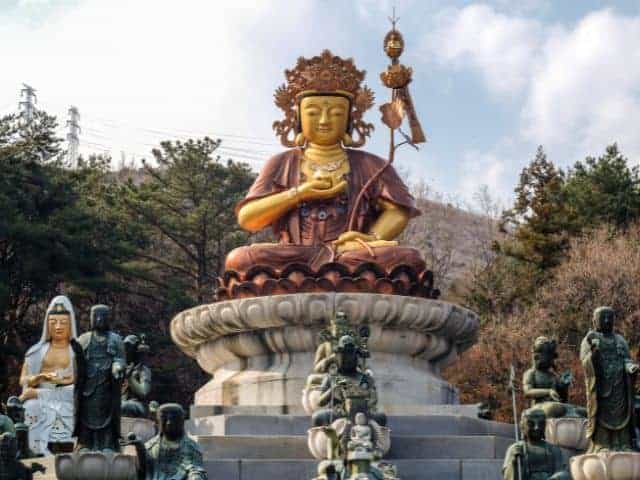
Beomeosa Temple is a beautiful temple located in the mountains of Busan, serving as one of the head temples of the Jogye Order of Korean Buddhism. Founded in 678 AD by the monk Uisang, the temple is a treasured cultural site in the region. Visitors can explore the temple complex and admire the colorful buildings and intricate architecture. The main hall, Daeungjeon, houses the temple’s most sacred relic, a statue of Seokgamoni Buddha. The statue is surrounded by smaller statues of bodhisattvas and disciples, creating a serene and peaceful atmosphere.
The temple is also home to many cultural artifacts, including Buddhist paintings and statues. One of the most famous attractions at Beomeosa Temple is the Three-Story Stone Pagoda, which dates back to the 9th century. Throughout the year, Beomeosa Temple hosts a number of festivals and events, including lantern festivals, lotus festivals, and meditation retreats. These events offer visitors a unique opportunity to experience Korean Buddhist culture and traditions firsthand.
- Address:250 Beomseosa-ro Geumjeong-gu, Busan
- Homepage and Temple Stay

Buseoksa Temple, Yeongju
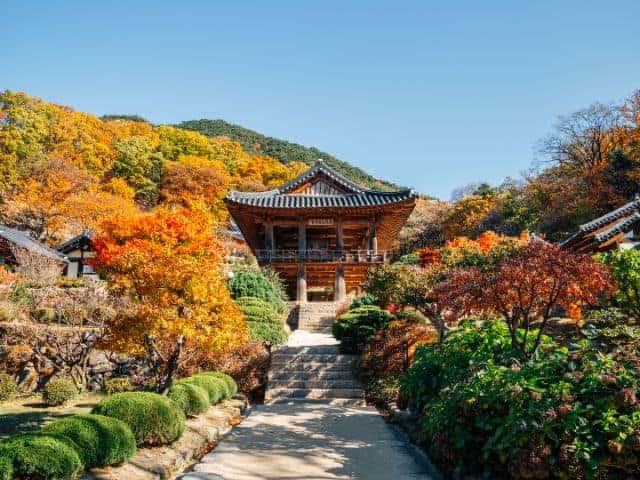
Buseoksa Temple is a historic Buddhist temple in Yeongju that dates back to the late 7th century during the Silla Dynasty. The temple complex includes several traditional buildings like the main hall, a pagoda, and a bell tower, along with cultural treasures such as ancient texts and artworks. Visitors enter through the Iljumun Gate, which leads to a peaceful courtyard filled with statues and pagodas. One of the highlights is the Stone Seated Buddha, a national treasure and an important symbol of Korean Buddhism.
Set on the slopes of a mountain, the temple is also known for its beautiful views and quiet atmosphere. Many people visit not only to explore the historic architecture but also to enjoy the scenery and experience meditation or Buddhist programs offered at the temple.
- Address: 345 Buseoksa-ro Buseok-myeon Yeongju-si, Gyeongsangbuk-do
- Homepage
See Temple Tours in South Korea
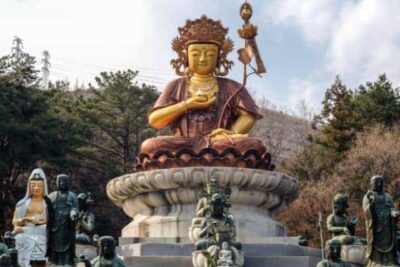
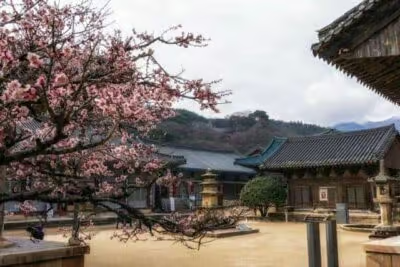
Magoksa Temple, Gongju
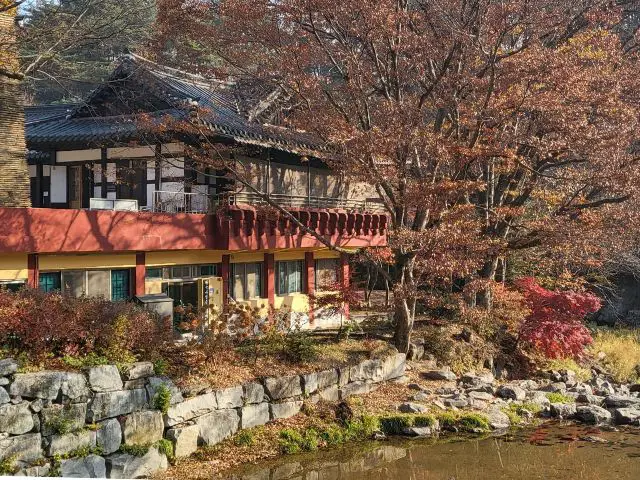
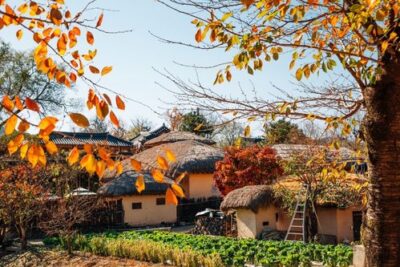
It is a historic and culturally significant Korean Buddhist temple located in the Gongju region. The temple was founded in the year 640 by the monk Jajang, who later became one of the most important figures in Korean Buddhism. Visitors to Magoksa Temple can see a number of important buildings and artifacts, including the main prayer hall, the Daeungjeon, which houses a large statue of Buddha, as well as the Cheonwang Moon Gate, which is decorated with colorful paintings of the Four Heavenly Kings.
One of the most striking features of the temple is its natural setting, with lush forests and rolling hills surrounding the buildings. Many visitors come to experience the temple’s serenity and spiritual energy. Magoksa Temple is a cultural and historical landmark of South Korea.
- Address: 966 Magoksa-ro Sagok-myeon Gongju-si, Chungcheongnam-do
- Homepage with Temple Stay
Haeinsa Temple, Hapcheon
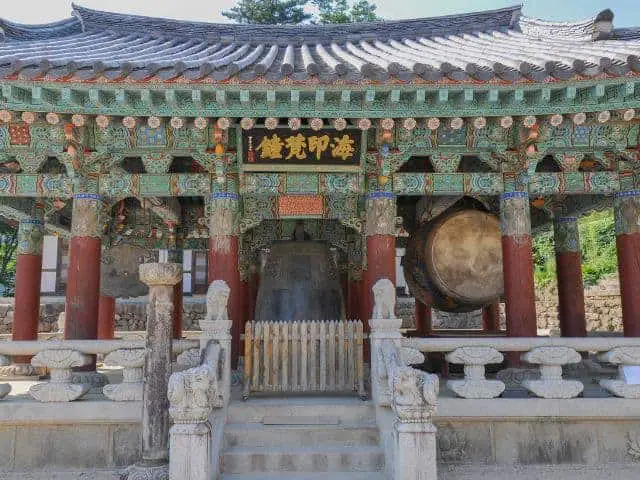
Haeinsa Temple, located in Hapcheon, South Korea, is a significant cultural and religious site. Visitors can explore historic halls like Daejeon Kwang Jeon Hall and Janggyeong Panjeon, where the famous Tripitaka Koreana woodblocks are preserved. The temple also offers meditation and temple stay programs for those curious about temple life.
Surrounded by mountains, the temple has a peaceful atmosphere and beautiful views. A short walk up to Gugwangru Pavilion gives you a panoramic look over the temple and the countryside, making it a great spot to take in the scenery.
Address: 473, Haeinsa-ro, Gaya-myeon Hapcheon-gun, Gyeongsangnam-do, South Korea, 50263.
Songgwangsa Temple, Suncheon
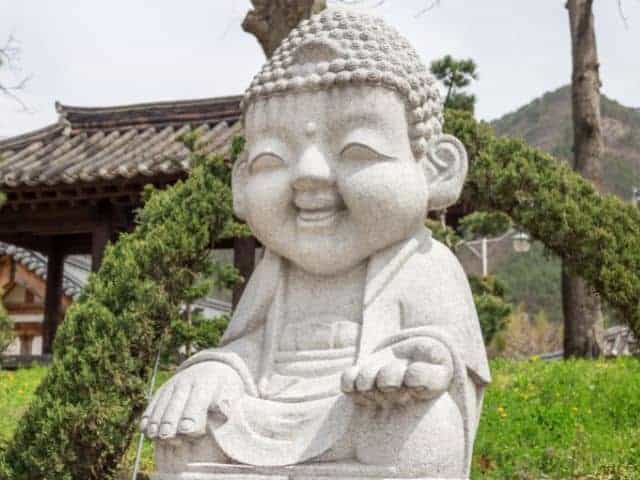
Songgwangsa Temple is a gorgeous temple, considered one of the three jewels of Korean Buddhism, along with Haeinsa Temple and Tongdosa Temple. It houses many cultural treasures, including a three-story pagoda. The famous Eungjinjeon hall is where the temple’s treasured texts and Buddhist relics are kept. Additionally, the Geukrakjeon hall is where the temple’s monks practice their daily meditation and hold religious ceremonies.
Visitors can enjoy hiking, meditation, and temple stay programs. The temple is a popular destination for those seeking spiritual enlightenment. The surrounding natural beauty adds to the peaceful atmosphere. The temple also hosts an annual lantern festival in honor of Buddha’s birthday.
- Address: 100 Songgwangsaan-gil Songgwang-myeon Suncheon-si, Jeollanam-do
- Homepage with Temple Stay
Daeheungsa Temple, Haenam
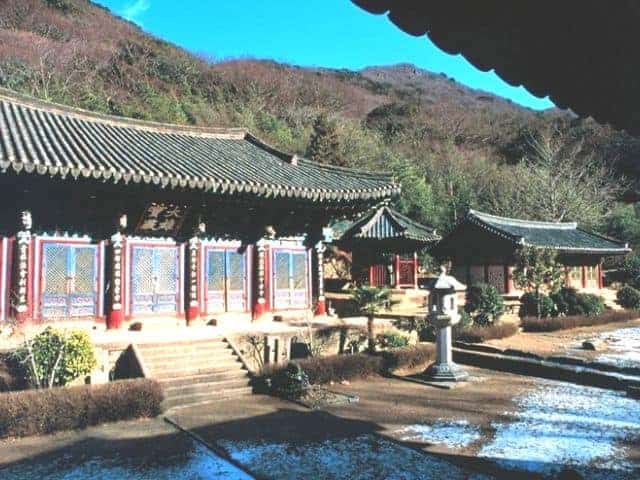
This is a famous Buddhist temple located in Haenam, South Korea. The temple was established in 503 AD. The temple is known for its stunning architecture and historical significance. Visitors can explore the temple complex, which includes several buildings and halls. The main hall of the temple is the Daeungjeon Hall, which houses a large Buddha statue.
The temple also features a bell tower and a museum. The museum displays various artifacts and cultural relics. Visitors can participate in temple stays and meditation programs. The temple offers a peaceful and serene atmosphere for those seeking spiritual enlightenment.
- Address: 400 Daeheungsa-gil Haenam-gun, Jeollanam-do
- Homepage with Temple Stay
Hwaeomsa Temple, Gurye
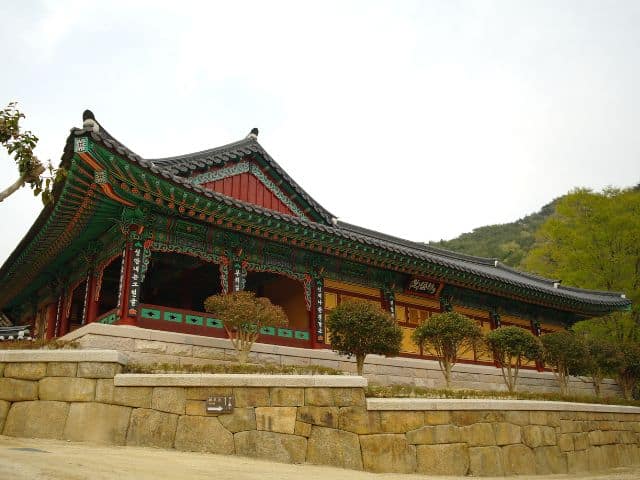
Hwaeomsa Temple is a historic Buddhist temple in Gurye, dating back to the 2nd century. The temple is known for its beautiful architecture and tranquil surroundings. The temple has several stunning prayer halls and majestic pagodas. The main prayer hall houses a large Buddha statue, and the temple also features a bell pavilion and a drum pavilion. It is an important cultural and religiously significant temple in the Gurye region of the country and is recommended for all lovers of history and Buddhist pilgrims.
- Address: 539 Hwaeomsa-ro Gurye-gun, Jeollanam-do
- Homepage with Temple Stay
Gapsa Temple, Chungcheongnam-do
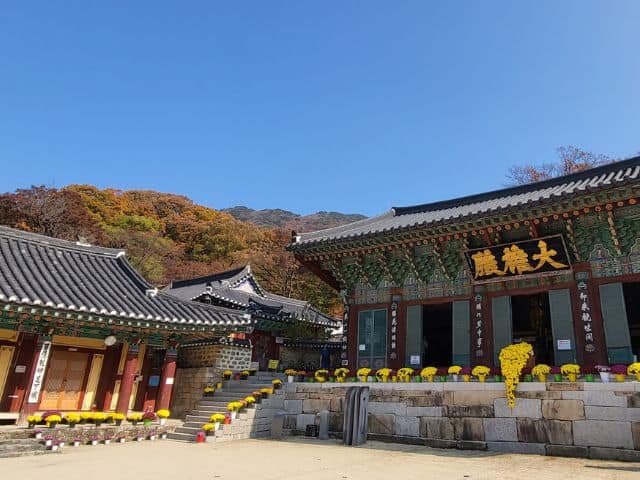
This temple has a history of over 1,300 years and sits at the foot of Mount Gyeryong. The temple is known for its peaceful mountain setting, traditional halls, a nine-story pagoda, and gardens that make it a relaxing place to explore.
Visitors can see the main hall with a statue of Seokgamoni-bul (the historical Buddha) and join activities like temple stays, meditation, and cultural programs to experience Korean Buddhist culture.
- Address: 567-3 Gapsa-ro Gyeryong-myeon Gongju-si, Chungcheongnam-do
- Homepage with Temple Stay
Sudeoksa Temple, Chungcheongnam-do
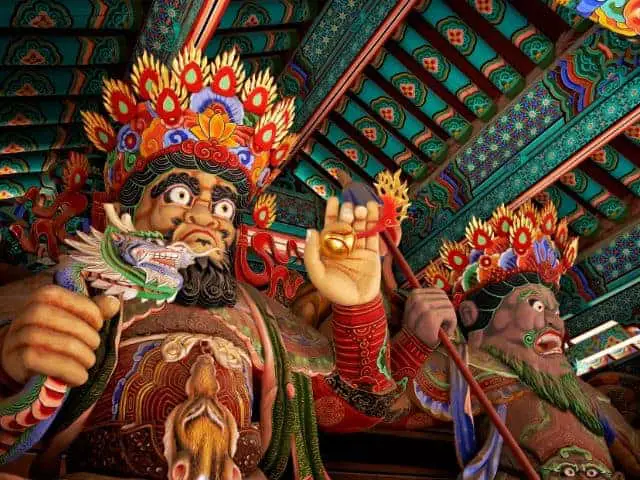
Sudeoksa Temple, located in Chungcheongnam-do, South Korea, was founded in 1308 during the Three Kingdoms period. It features numerous historical buildings, including a stone pagoda and a main hall. The pagoda is seven stories tall and stands in the middle of the temple complex. You can climb the stairs to the top of the pagoda for a panoramic view of the surrounding area.
Sudeoksa Temple offers visitors a chance to join cultural activities like meditation and tea ceremonies. It hosts seasonal events such as lantern festivals and is home to 15 designated cultural heritage items. With its historic buildings, detailed artwork, and natural setting, Sudeoksa is a great place to experience Korean Buddhist culture.
- Address: 79 Sudeoksaan-gil Deoksan-myeon Yesan-gun, Chungcheongnam-do
- Homepage with Temple Stay
Bongjeongsa Temple, Andong
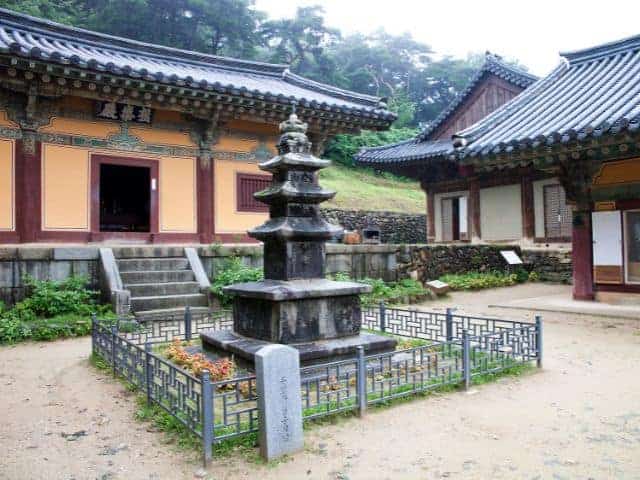
Bongjeongsa is a historic temple located in Andong and the largest in the region. The temple is on the slopes of Mount Cheondung and overlooks the picturesque Hahoe Village. Visitors can enter the temple through the Iljumun Gate, which marks the entrance to the temple grounds. From there, they can follow the path that leads to the main hall of the temple, the Daeungjeon Hall. The Daeungjeon Hall is a magnificent structure that houses a large statue of Buddha.
The temple’s surroundings are just as impressive as the temple itself. The mountainous landscape, combined with the tranquil atmosphere of the temple, creates a serene and peaceful environment.
- Address: 222 Bongjeongsa-gil Seohu-myeon Andong-si, Gyeongsangbuk-do
- Homepage with Temple Stay
Jeondeungsa Temple, Ganghwa
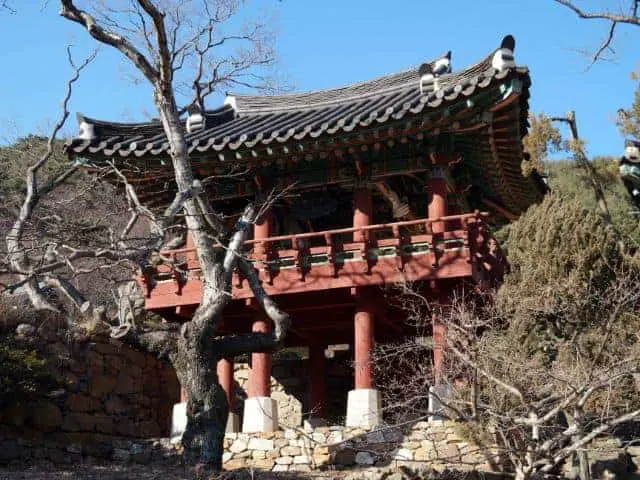
Located in the Samnang Seong Fortress complex, Jeondeungsa is a stunning Korean Buddhist temple constructed during the Goryeo Dynasty. The temple is surrounded by mountains and a river, making it a peaceful and serene location. Visitors can participate in temple stay programs to experience Buddhist culture firsthand. The temple is also famous for the annual “Jeondeungsa Yeon Deung Nori” festival, which features traditional performances and ceremonies. This gorgeous temple is also home to several architectural masterpieces like the Daeungjeon Hall, Taksajeon Hall, Beomjong Bell, and the Yangheonsu Monument.
- Address: 37-41 Jeondeungsa-ro Gilsang-myeon Ganghwa-gun, Incheon
- Homepage with Temple Stay
Donghaksa Temple, Gongju
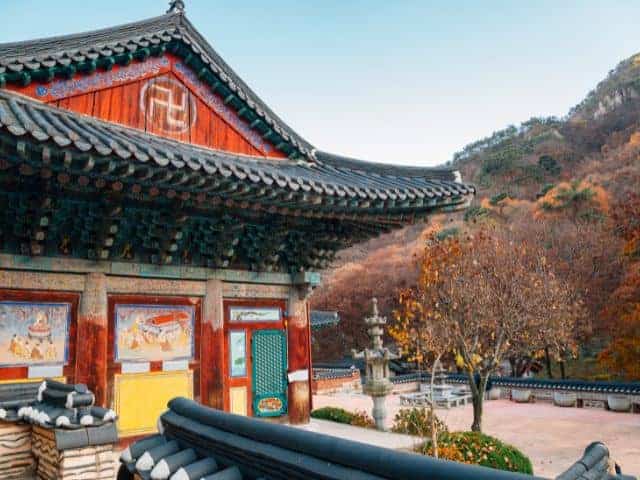
Donghaksa Temple is a historic temple located on the slopes of Mount Gyeryong. Visitors can explore the main hall, which houses a Buddha statue, along with a seven-story stone pagoda, a bell tower, and several smaller temple buildings.
The temple is known for its detailed artwork, including paintings, carvings, and traditional wood and stone craftsmanship. Surrounded by mountains and nature, Donghaksa offers a peaceful setting and a glimpse into Korea’s rich Buddhist heritage.
- Address: 462 Donghaksa1-ro Banpo-myeon Gongju-si, Chungcheongnam-do
Silleuksa Temple, Yeoju
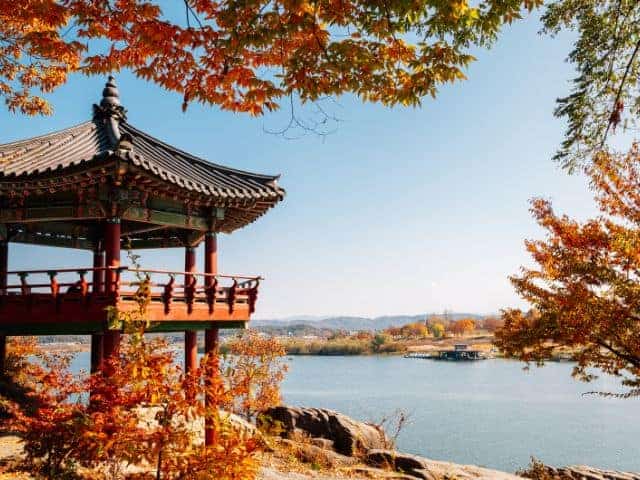
This temple, which dates back to the year 580, has stunning natural surroundings and a unique architectural design. As visitors approach Silleuksa Temple, they are immediately struck by the beauty of the landscape that surrounds it. The temple is situated on a small hill, surrounded by dense forests and gently flowing streams. The main hall of the temple represents a stunning example of traditional Korean temple architecture. The hall features intricate carvings and decorative elements and is home to a number of important Buddhist artifacts and relics.
- Address: 73 Silleuksa-gil Yeoju-si, Gyeonggi-do
- Homepage with Temple Stay

Tips for Visiting Temples in Korea
When visiting temples in South Korea, keep these tips in mind:
- Dress modestly when visiting Buddhist temples in Korea
- Speak quietly to respect the spiritual atmosphere
- Follow photography rules inside temple halls
- Wear comfortable shoes since many temples are located in mountains
Final thought
Visiting Buddhist temples in South Korea is a must-do activity for anyone interested in exploring the country’s rich culture and spirituality. These temples offer a unique glimpse into the ancient traditions and teachings of Buddhism, as well as the opportunity to immerse oneself in a peaceful and meditative atmosphere. Exploring the Buddhist temples in South Korea can be a transformative and enlightening experience for individuals of all backgrounds and beliefs. Everyone who loves history and culture must visit Buddhist temples in South Korea. This is a highly recommended activity that offers a range of benefits, from cultural and spiritual enrichment to outdoor adventure and personal growth. So, why not plan a visit to a temple today and see for yourself all that they have to offer?
Compare Before You Book
Live prices and expert picks for the tours and tickets mentioned in this guide.
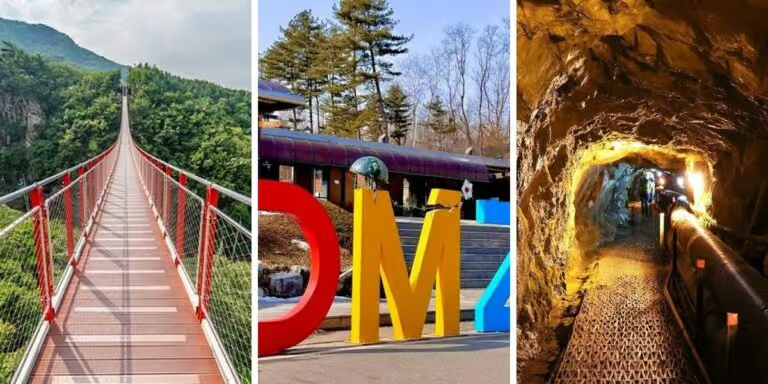 Compare 111 options
DMZ Day Tours from Seoul
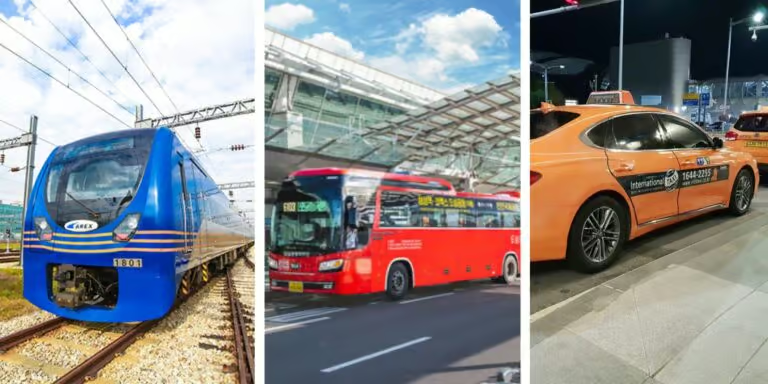 Compare 38 options
Incheon Airport Transfers
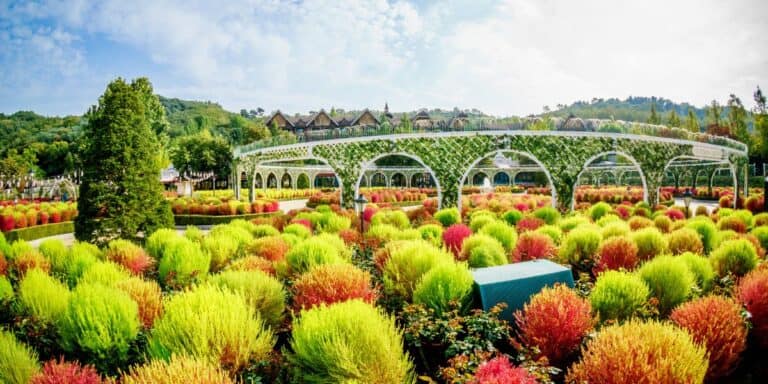 Compare 41 options
Everland Tickets
 Compare 109 options
Nami Island Tickets & Tours
 Compare 27 options
Lotte World Tickets
 Compare 38 options
Busan Day Tours
 Compare 17 options
N Seoul Tower Tickets
 Compare 58 options