
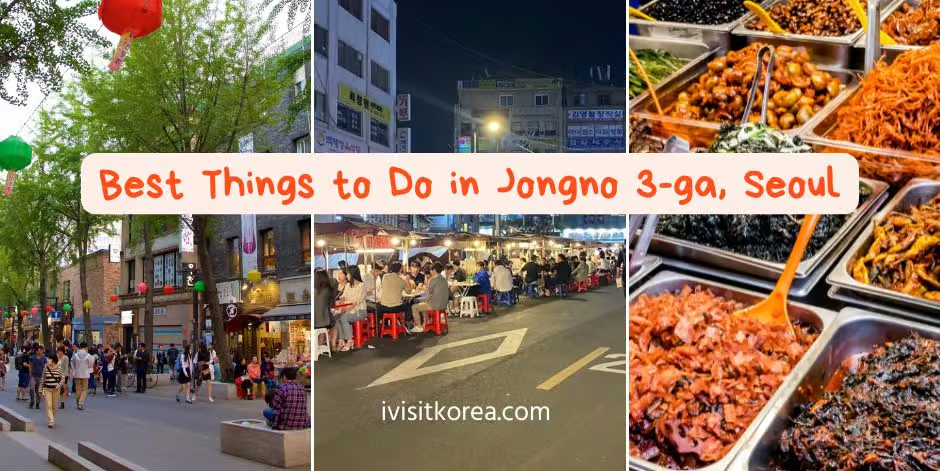
Jongno 3-ga was named the world’s coolest neighborhood for 2026 by Time Out UK, and it’s easy to see why. It’s one of those Seoul neighborhoods where there’s a little bit of everything: quiet hanok alleys, tucked-away cafés, traditional markets, local restaurants, and lively pojangmacha streets. There’s plenty to discover here, so let’s take a look at what to do in Jongno 3-ga.
How to Get to Jongno 3-ga

The easiest way to get to Jongno 3-ga is by subway. Jongno 3-ga Station (종로3가역) is served by Seoul Subway Lines 1, 3, and 5, making it easy to reach from many parts of the city.
By Subway from Popular Areas
- 從首爾車站出發: Take Line 1 toward Jongno 3-ga Station. The ride takes around 5 minutes with no transfer needed.
- From Myeongdong: Take Line 4 to Chungmuro Station, then transfer to Line 3 and get off at Jongno 3-ga.
- From Anguk: You can walk to Jongno 3-ga in around 10–15 minutes, or take Line 3 for one stop.
Which Exit Should You Take?
Jongno 3-ga Station has several exits, and choosing the right one can save you some walking:
- Exit 3 or 5: Convenient for reaching Jongno 3-ga Pojangmacha Street, where rows of orange food tents serve Korean street food and drinks in the evening.
- Exit 4 or 6: Best for exploring Ikseon-dong Hanok Village and its cafés, restaurants, and little shops.
- Exit 8: Convenient for visiting Daegaksa Temple.
- Exit 12: Useful for reaching the area around Jongmyo Shrine and central Jongno.
Best Things to Do in Jongno 3-ga
Explore Ikseon-dong Hanok Village
If there’s one place you shouldn’t miss in Jongno 3-ga, it’s 益善洞韓屋村 (익선동 한옥마을). Known as one of Seoul’s oldest hanok neighborhoods, this charming area is filled with traditional Korean houses tucked closely together along narrow alleyways.
Unlike some of Seoul’s larger hanok districts, Ikseon-dong has developed a distinctive mix of traditional architecture and contemporary businesses. Many old houses have been renovated into stylish cafés, restaurants, dessert shops, boutiques, and independent stores while retaining their original wooden structures and tiled roofs.
The neighborhood has an interesting history, too. During the Joseon Dynasty, this area was part of the city’s political and administrative center. Over time, it developed into a commercial and entertainment district. More recently, Seoul’s Hanok Declaration in 2008 and its designation as a Hanok-Concentrated Area in 2018 helped support the preservation and revitalization of its traditional houses.
- 到達那裡: Jongno 3-ga Station (Lines 1, 3, and 5), Exit 6


Visit Daegaksa Temple
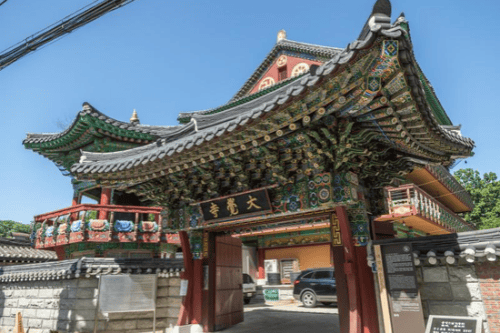
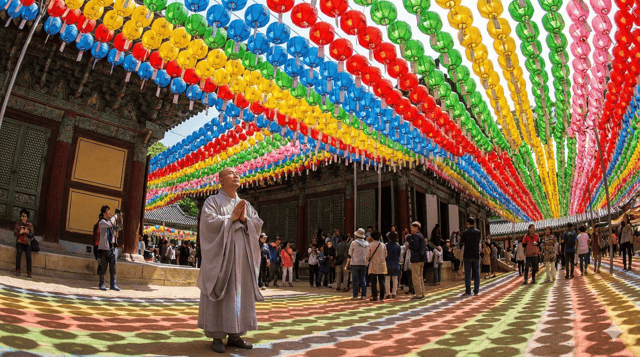
For a quieter cultural stop, make your way to Daegaksa Temple (대각사), a small Buddhist temple tucked near Changdeokgung Palace’s Secret Garden.
Founded in 1911, the temple belongs to the Daegak Association, one of Korea’s Buddhist missionary organizations. It is said to have been established by the disciples of Master Yongseong to honor his vision of founding the temple and his philosophy of Daegak, meaning Great Awakening.
The temple’s original buildings were reportedly demolished and replaced with new structures in 1986. Despite its location in central Seoul, the grounds offer a peaceful contrast to the surrounding busy streets.
Daegaksa is a relatively small attraction, so you won’t need much time to visit. It’s a nice addition to a walking tour if you want to discover a lesser-known religious and historical site beyond Seoul’s famous palaces.
- 到達那裡: Jongno 3-ga Station (Lines 1, 3 & 5), Exit 8
Take a Walk Along Seosulla-gil

Seosulla-gil (서순라길) is one of the most charming streets in Jongno 3-ga, running alongside the old stone wall of Jongmyo Shrine. The name Seosulla-gil means the western road of the government office responsible for patrolling Jongmyo during the Joseon Dynasty. Historically, the street had a rather ordinary appearance, with narrow sidewalks and a less inviting atmosphere.
Today, Seosulla-gil is known for its traditional atmosphere and growing collection of jewelry shops, creative workshops, wine bars, and independent businesses.
It’s particularly interesting if you enjoy discovering places that feel a little different from Seoul’s major shopping streets. You can browse small jewelry studios, stop for a drink, or simply walk along the stone wall and enjoy the contrast between historic architecture and modern businesses.
- 到達那裡: Jongno 3-ga Station (Lines 1, 3 & 5), Exit 7 or 8
Experience Jongno 3-ga’s Famous Pojangmacha Street
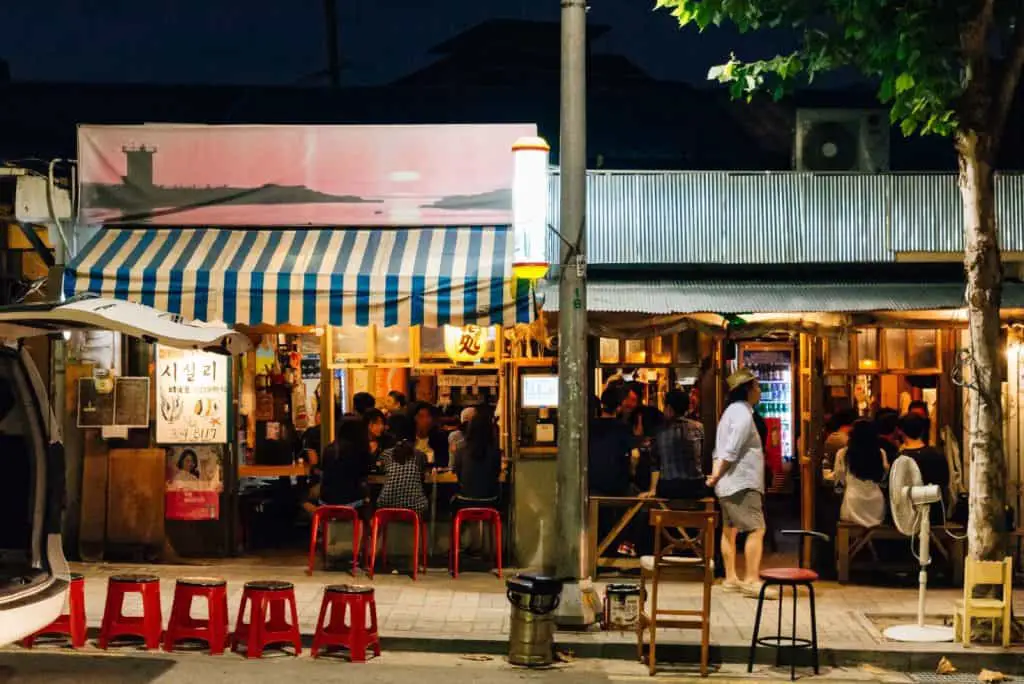
One of the most distinctive experiences in Jongno 3-ga happens after sunset. The neighborhood is famous for its pojangmacha (포장마차), traditional Korean street food tents where people gather for casual meals and drinks. As evening approaches, orange tents and outdoor tables begin filling the streets, creating one of Seoul’s most recognizable nightlife scenes.
The area south of Ikseon-dong is particularly known for its outdoor dining culture. You’ll often see groups of friends and colleagues sitting close together, chatting over Korean food and drinks late into the night.
Typical menu items include:
- Odeng: Fish cakes served in a warm broth.
- Gyeran-mari: Korean rolled omelet.
- Kimchi-jeon: Crispy kimchi pancake.
- Dakbal: Spicy chicken feet.
- Grilled skewers: Various meats and vegetables cooked over a grill.
Visit Jongmyo Shrine, a UNESCO World Heritage Site
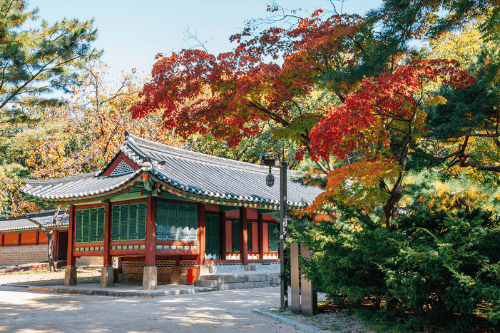
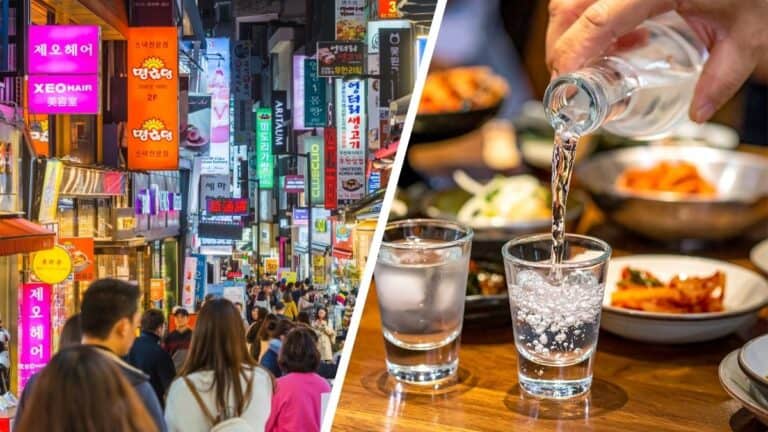
Jongmyo Shrine (종묘) is one of the most important historical sites in Seoul and a must-visit for anyone interested in Korean royal history.
Built during the Joseon Dynasty, this Confucian royal shrine houses the spirit tablets of the dynasty’s kings and queens. It was also the setting for Jongmyo Jerye, traditional royal ancestral rituals accompanied by ceremonial music and dance.
Unlike Seoul’s grand royal palaces, Jongmyo has a relatively simple architectural style. Its long wooden halls, spacious courtyards, and peaceful surroundings reflect the solemnity of Confucian traditions.
- 地址: 首爾特別市鐘路區鐘路157
Discover Musical Instruments at Nagwon Instrument Arcade
Located near Jongno 3-ga Station, this multi-floor arcade is packed with independent stores selling guitars, pianos, keyboards, drums, violins, amplifiers, music accessories, and more.
It’s an interesting place even if you don’t plan to buy anything. You can browse the different floors, see instruments displayed throughout the shops, and experience a more traditional side of Seoul’s local shopping culture.
Music lovers will especially enjoy exploring the variety of stores and checking out the instruments available. Some shops also provide instrument repairs and maintenance services.
- 地址: 428 Samil-daero, Jongno District, Seoul
Explore Tapgol Park and Its Historical Landmarks
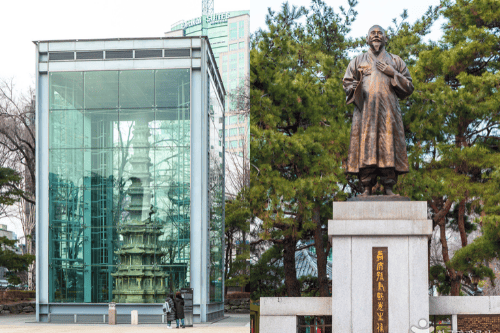
The park is closely associated with Korea’s March 1st Independence Movement in 1919, when demonstrators gathered to declare independence from Japanese colonial rule.
One of its most recognizable landmarks is the ten-story Wongaksa Pagoda, a beautifully detailed stone pagoda dating back to the Joseon Dynasty. You’ll also find historical monuments and inscriptions commemorating the independence movement.
Although the park is not particularly large, it’s worth a short stop if you’re exploring the surrounding neighborhood. It provides an opportunity to learn more about Korea’s modern history while seeing an important cultural landmark in the middle of central Seoul.
- 地址: 99 Jong-ro, Jongno District, Seoul
Browse Traditional Korean Shops and Souvenirs in Insadong

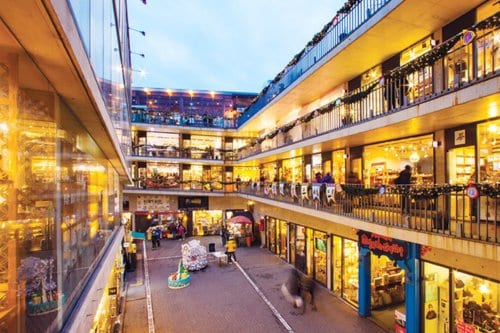
Just a short walk from Jongno 3-ga, 仁寺洞 (인사동) is one of Seoul’s best-known neighborhoods for traditional Korean arts, crafts, and souvenirs.
Its main street, Insadong-gil, is lined with shops selling ceramics, handmade accessories, Korean name stamp, traditional tea sets, Korean stationery, paintings, and other cultural products.
It’s a great place to look for something more meaningful to bring home than typical tourist merchandise. You can also visit traditional teahouses, browse art galleries, and explore smaller alleys filled with independent stores.
Don’t miss Ssamziegil, a distinctive multi-level shopping complex with a spiral walkway and small shops selling handmade crafts, accessories, and creative gifts.
你也許也喜歡:


Best Places to Eat in Jongno 3-ga
Yennaljip Nagwon Agujjim
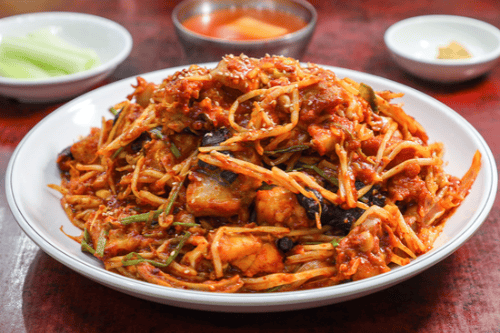
- 地址: 436 Samil-daero, Jongno-gu, Seoul
- 營業時間: 11 AM - 11 PM
A local favorite that has been serving Korean monkfish dishes since 1977, Yennaljip Nagwon Agujjim is known for its Seoul-style agwijjim (spicy braised monkfish). The restaurant is also recognized as an official Seoul Oraegage, a designation for long-established local businesses. It’s a great choice if you’re looking to try a traditional Korean seafood dish.
Try Korean Street Food at Gwangjang Market
No visit to central Seoul would be complete without trying traditional Korean market food, and 廣藏市場(광장시장) 這裡是做這件事的最佳地點之一。
Some popular foods to try include:
- 賓達特托克: Savory mung bean pancakes, usually served with a dipping sauce.
- Mayak gimbap: Bite-sized seaweed rice rolls, often served with a mustard dipping sauce.
- 炒年糕: Chewy rice cakes cooked in a spicy, sweet gochujang-based sauce.
- 刀削麵: Korean knife-cut noodle soup served in a comforting broth.
- Mandu: Korean dumplings filled with meat or vegetables.
The market is also a great place to experience Seoul’s traditional market atmosphere. Pull up a seat at a food stall, watch the vendors prepare dishes in front of you, and enjoy a casual meal surrounded by the lively sounds of the market.
Check out these tours!


Jongsamyook (종삼육) – Korean BBQ
- 地址: 8-1 Donhwamun-ro 11-gil, Jongno-gu, Seoul
- 價格: Around ₩20,000–70,000 per person
- 營業時間: 晚上12點至凌晨1點
If you’re craving Korean BBQ, Jongsamyook is a great spot to check out in Jongno 3-ga. This popular restaurant serves grilled pork cuts, including samgyeopsal (pork belly), pork neck, and skirt meat. You can order a meat set to try a few different cuts in one meal, along with classic Korean sides.
The restaurant has a lively atmosphere, with both indoor and outdoor seating. It’s also a good option for dinner after exploring Ikseon-dong or the surrounding streets.
Solsot Pot Rice House – Korean Pot Rice
- 地址: 46 Samil-daero 30-gil, 1F, Jongno-gu, Seoul
- 營業時間: 每日上午11:00至下午9:30
For something a little lighter than Korean BBQ, Solsot is a good place to try Korean pot rice (sotbap). Each dish comes freshly served in a hot stone pot, with options such as steak, salmon, abalone, and garlic scapes. The steak pot rice is one of the popular choices, especially if you’re trying this style of Korean meal for the first time.
It’s also a nice option for a casual lunch, with individual rice pots that make it convenient for solo diners or small groups.
Gyerim Sikdang – Garlic Chicken Stew
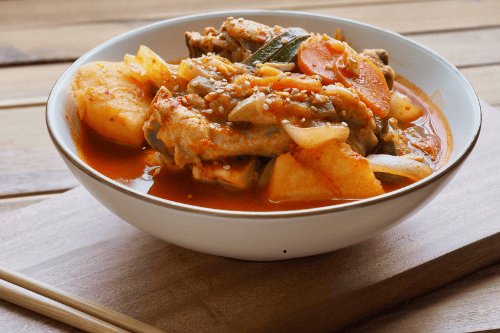
- 地址: 首爾特別市鐘路區敦化門路39街4
- 營業時間: Monday–Saturday, 11:30 AM–3:30 PM and 4:30–9:45 PM; closed Sundays
Gyerim Sikdang is a popular local spot known for its dak-bokkeum-tang, a spicy Korean chicken stew packed with garlic, vegetables, and rice cakes. The menu is famously simple, focusing on this one signature dish, so there’s no need to spend ages deciding what to order. The broth is rich and garlicky, and adding rice at the end is a great way to enjoy every last bit of it.
Suggested Half-Day Itinerary in Jongno 3-ga
If you have half a day to explore Jongno 3-ga, there’s no need to rush between too many places. Here’s a relaxed route that lets you enjoy the neighborhood at your own pace.
- Start in Ikseon-dong Hanok Village: Wander through the narrow alleys, browse the little shops, and stop for coffee or dessert at a traditional hanok café.
- Visit Daegaksa Temple: Take a short walk to this small Buddhist temple tucked among the neighborhood streets.
- Explore Seosulla-gil: Follow the stone wall of Jongmyo Shrine and enjoy the quieter streets, independent shops, and cafés along the way.
- Enjoy a Korean meal: Stop at a nearby restaurant for Korean BBQ, pot rice, or garlic chicken stew.
- End the day at Pojangmacha Street: If you’re staying into the evening, grab some Korean street food and drinks at one of the lively orange tents.
Take your time along the way. The best part of Jongno 3-ga is often discovering little cafés, shops, and food spots as you wander.
FAQs about Jongno 3 ga
你也許也喜歡:
預訂前請進行比較
本指南中提到的旅遊和門票的即時價格和專家推薦。
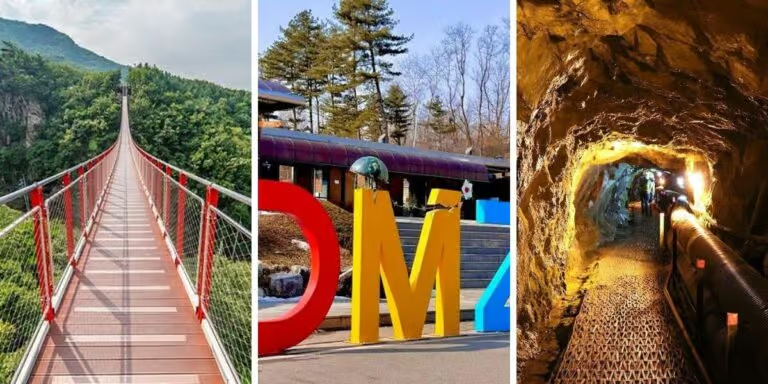 比較 111 個選項
首爾出發的非軍事區一日遊
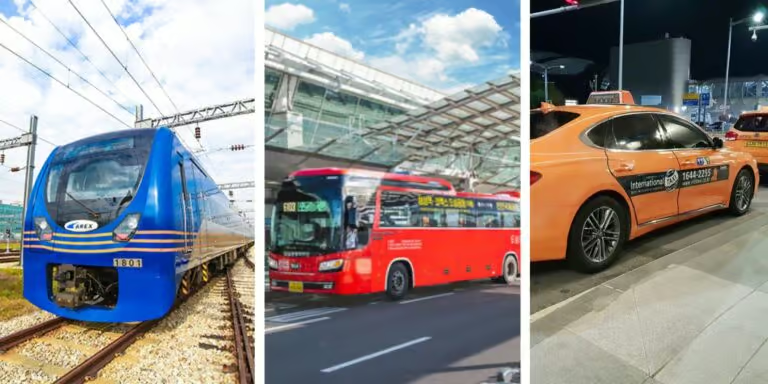 比較 38 個選項
仁川機場接送
 比較 41 個選項
愛寶樂園門票
 比較 109 個選項
南怡島門票及旅遊
 比較 27 個選項
樂天世界門票
 比較 38 個選項
釜山一日遊
 比較 17 個選項
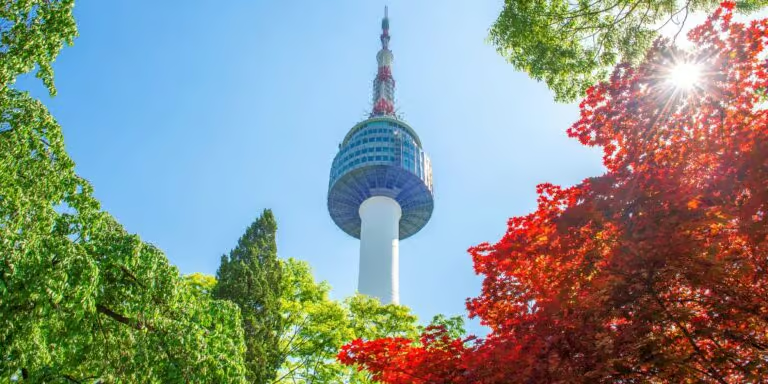
首爾塔門票
 比較 58 個選項